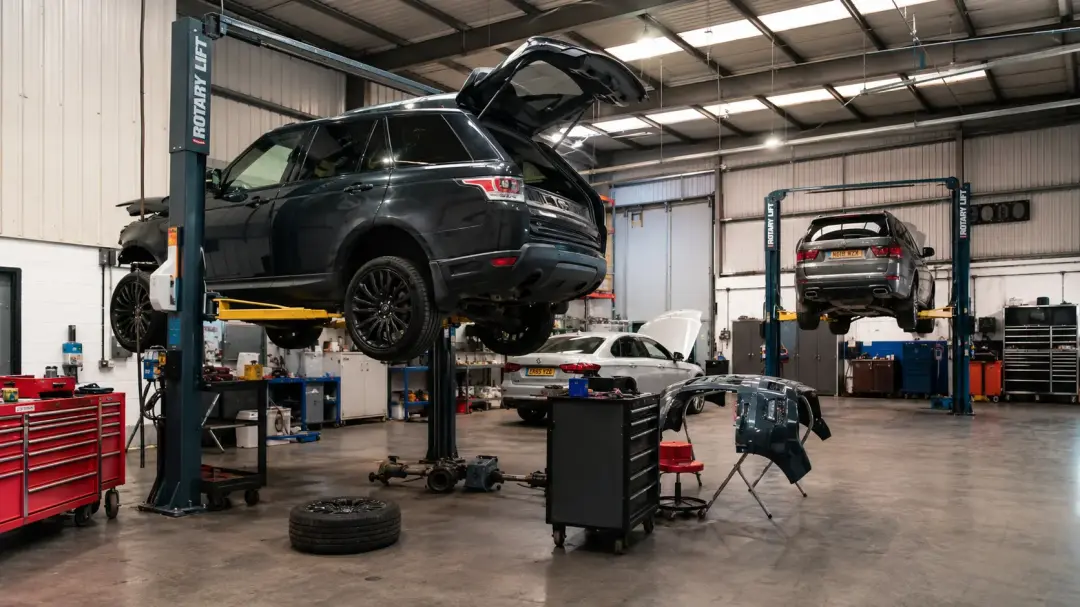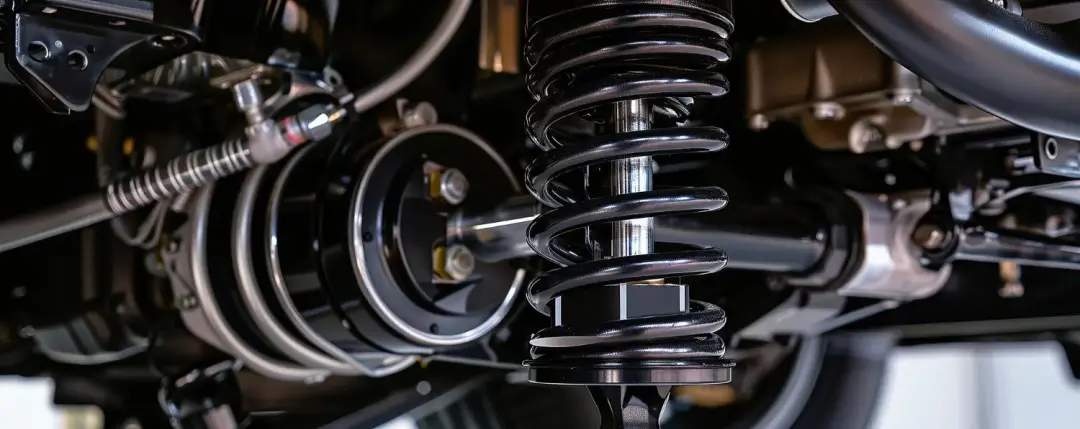
Discover comprehensive guidance with 'A Guide to Land Rover Suspension Repairs'. Learn how to identify issues and ensure your Land Rover stays smooth and safe to drive.
How Land Rover Suspension Systems Work
Land Rover suspension systems support the vehicle, absorb road impacts, and help maintain control on different surfaces. Depending on the model, the system may use steel springs, shock absorbers, air suspension, or a combination of these parts.
Air suspension uses pressurised air bags to raise or lower the vehicle and adjust the ride for comfort, loads, or off-road driving. Sensors monitor the vehicle’s height and send information to a control unit, which then adjusts the air pressure. Shock absorbers help limit bouncing, while springs support the vehicle’s weight. Bushes, arms, joints, and links connect the suspension to the body and wheels.
When each part works correctly, the vehicle should remain stable, level, and comfortable. Wear, leaks, electrical faults, or damaged parts can affect the entire system. Regular checks help identify early issues and support safer handling, even tyre wear, and a smoother, more comfortable drive during every journey on the road.
Common Land Rover Suspension Problems
Land Rover suspension systems can develop several common faults as the vehicle ages or covers more miles. Air suspension models may suffer from leaking air bags, worn compressors, faulty height sensors, damaged pipes, or electrical problems within the control system. These issues can cause one corner to drop, the entire vehicle to sit too low, or the suspension to stop adjusting correctly.
Steel suspension systems may develop broken springs, leaking shock absorbers, worn bushes, damaged control arms, or loose joints. Rough roads, deep potholes, heavy loads, and off-road use can place extra strain on these parts. Corrosion may also weaken springs, pipes, and mounting points over time.
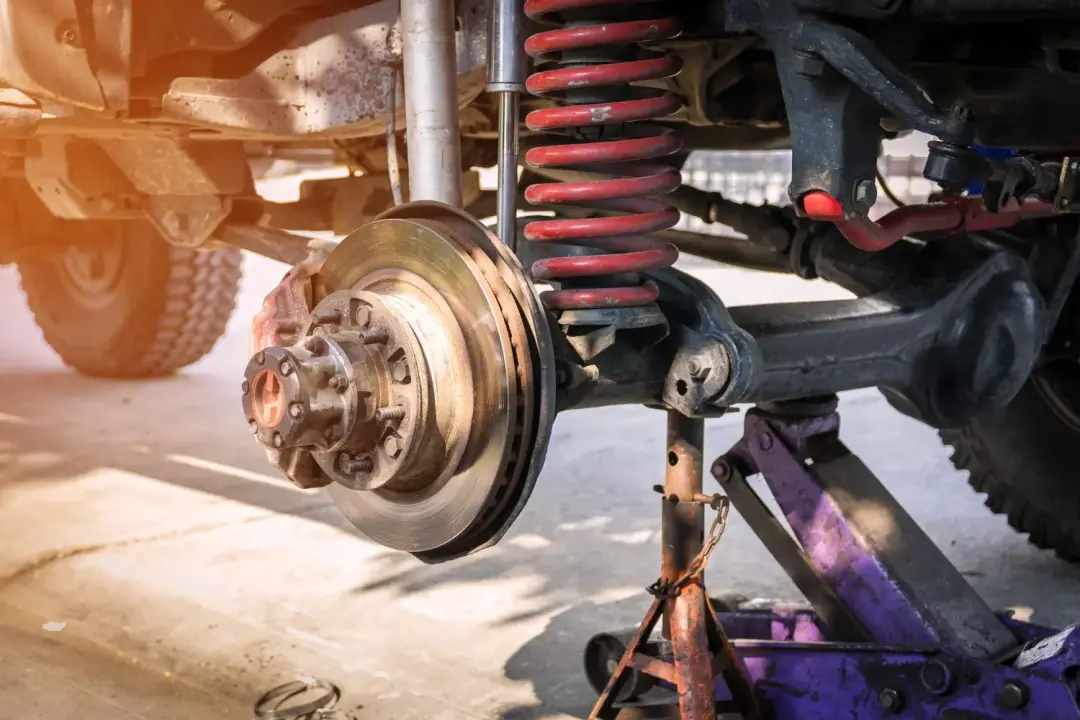
Some faults begin with a small noise or minor change in ride height, while others can lead to a warning light or sudden loss of comfort. Ignoring a suspension problem can affect steering, braking, tyre wear, and vehicle stability. It may also cause nearby parts to wear more quickly.
A proper inspection is important because similar symptoms can have different causes. Testing the full system helps identify the exact fault and prevents working parts from being replaced without reason. Early repairs are usually safer and may reduce the chance of higher repair costs later.
Signs Your Suspension Needs Repair
Suspension faults can change how your Land Rover feels, sounds, and sits on the road. Common signs include a rough ride, repeated bouncing, uneven ride height, knocking noises, heavy steering, or the vehicle pulling to one side. You may also notice that the vehicle leans more than usual when turning or dips sharply when braking.
Uneven tyre wear can suggest poor wheel alignment or worn suspension parts. On air suspension models, the vehicle may take longer to rise, drop overnight, or display a warning message. These symptoms should not be ignored, even if the vehicle still drives.
A damaged suspension part can affect control, braking distance, and stability, especially on wet or uneven roads. Book an inspection if the ride changes suddenly or becomes less comfortable. Early diagnosis can help prevent further damage, protect the tyres, and keep the vehicle safe, balanced, comfortable, and reliable during everyday driving.
Uneven or Lowered Ride Height
An uneven or lowered ride height is a clear sign that part of the suspension may not be working correctly. One corner may sit lower than the others, the front or rear may appear dropped, or the entire vehicle may fail to reach its normal height.
On air suspension models, this can be caused by a leaking air bag, damaged air line, faulty valve block, weak compressor, or incorrect signal from a height sensor. Steel spring systems may sit unevenly if a spring has broken, weakened, or moved out of position.
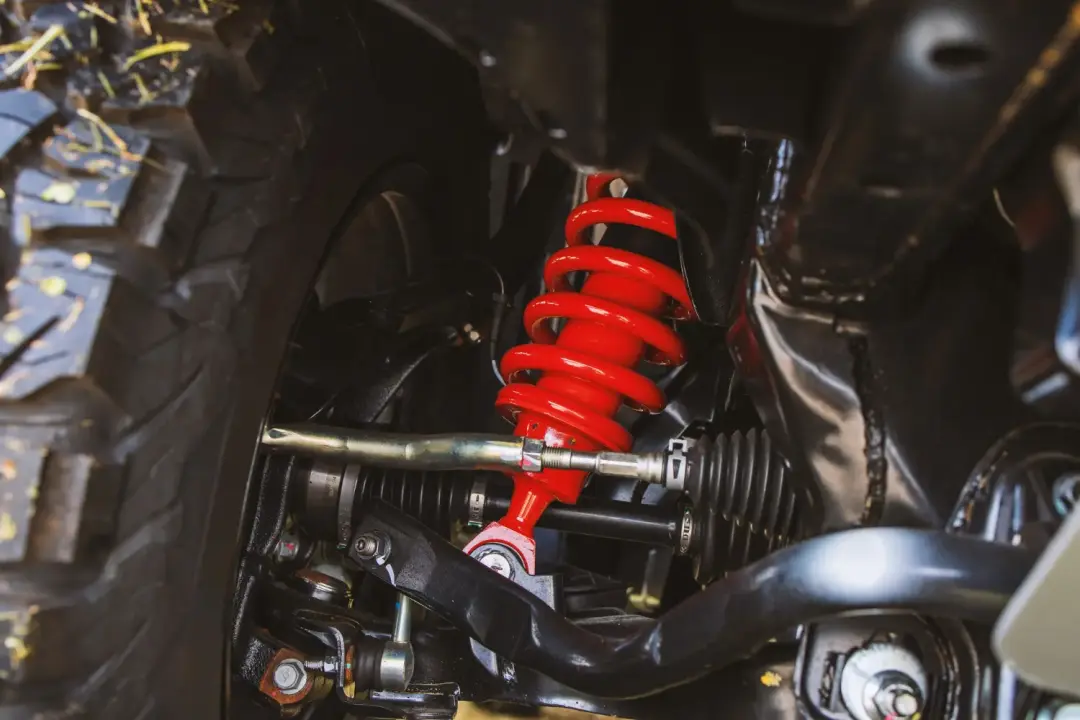
A vehicle that is too low may have reduced ground clearance and can be more likely to catch on bumps, kerbs, or rough ground. Uneven height can also affect wheel alignment, tyre wear, steering, and braking stability. The problem may become more noticeable after the vehicle has been parked overnight, when carrying weight, or during cold weather.
Do not rely on repeatedly restarting the vehicle or raising the suspension through the controls. This may hide the symptom without fixing the cause. A technician should inspect the system, check for leaks, measure ride height, and test the sensors and compressor. Prompt repairs can restore the correct height and prevent strain on other suspension parts.
A Rough or Uncomfortable Ride
A Land Rover should remain controlled and comfortable over most road surfaces. If the ride becomes harsh, bouncy, or unsettled, the suspension may need attention. Worn shock absorbers can allow the vehicle to keep moving after a bump, while damaged springs may reduce support and comfort.
Air suspension faults can make the vehicle feel unusually firm or cause one area to sit at the wrong height. Worn bushes and joints may also allow too much movement between connected parts. You might notice passengers feeling every bump, the vehicle rocking after dips, or poor control on uneven roads.
A rough ride is not only a comfort issue. It can reduce tyre contact with the road and affect steering or braking. Book an inspection if the ride changes, especially after hitting a pothole or carrying a heavy load. Replacing worn parts can restore comfort, improve control, and protect nearby components from additional strain and unnecessary wear.
Knocking or Clunking Noises
Knocking or clunking noises often suggest that a suspension part is loose, worn, or damaged. The sound may appear when driving over bumps, turning, braking, or moving at low speed. Common causes include worn bushes, damaged drop links, loose ball joints, broken springs, worn shock absorber mounts, or movement within a control arm.
A single clunk when changing direction may point to a joint or mounting problem, while repeated knocking on rough roads may be linked to a loose connection. Air suspension parts can also make unusual sounds if the compressor is struggling or a component is moving incorrectly.
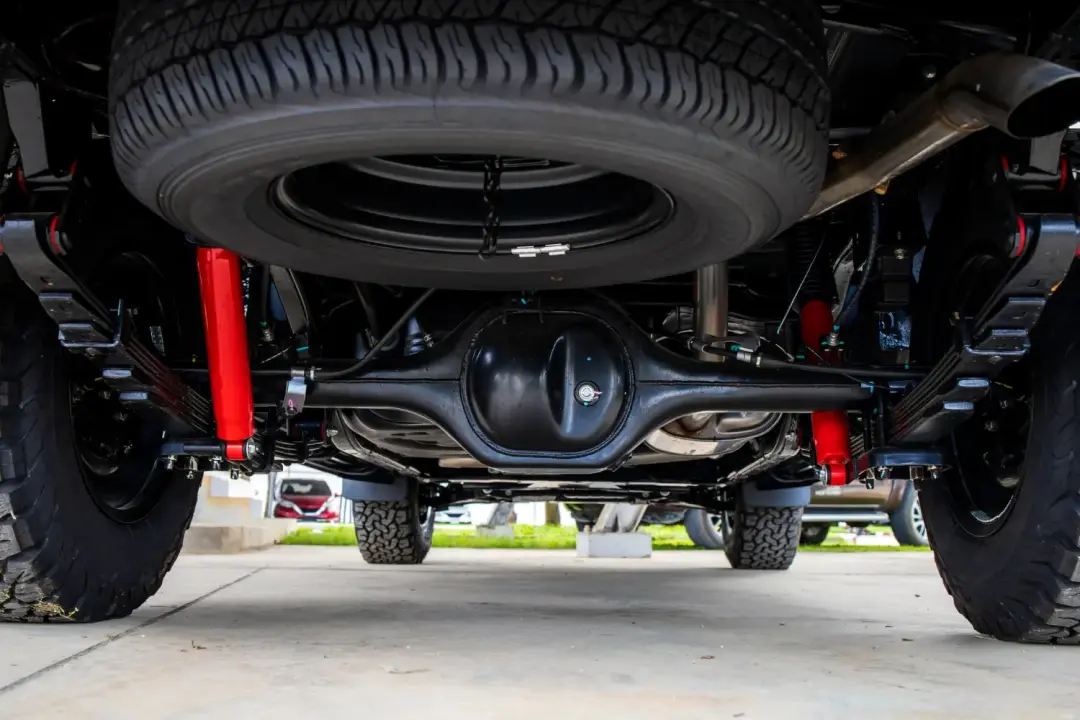
Try to notice where the noise comes from and when it happens, as this information can help with diagnosis. Do not ignore the sound because the vehicle still feels normal. A worn joint or mounting can become worse and may affect steering, tyre wear, or stability.
A technician can raise the vehicle, inspect each suspension part, and check for excess movement. Road testing may also help confirm the source. Early repair can prevent a small worn part from damaging nearby components. It can also remove unwanted noise, improve control, and help the vehicle feel secure, stable, and settled on the road once again.
Vehicle Pulling to One Side
If your Land Rover pulls to one side, the problem may be linked to the suspension, steering, tyres, brakes, or wheel alignment. Worn bushes, damaged control arms, weak springs, or incorrect ride height can change the position of a wheel and affect how the vehicle travels.
You may notice the steering wheel sitting off centre or needing constant correction on a straight road. Uneven tyre pressure or tyre wear can cause similar symptoms, so the full vehicle should be checked. Pulling may become stronger when braking, accelerating, or driving over uneven ground.
This can make the vehicle tiring to control and may reduce stability. It can also cause tyres to wear more quickly. Book an inspection if the vehicle regularly drifts to one side. A technician can check suspension parts, tyre condition, wheel alignment, and braking components. Correcting the cause can restore balanced handling, improve tyre life, and make everyday driving safer, easier, and more comfortable.
Dashboard Suspension Warning Lights
A suspension warning light or message means the vehicle has detected a problem within the system. The message may say that the suspension is unavailable, the vehicle is too low, a normal height cannot be reached, or driving speed should be limited.
On air suspension models, the cause could be a leaking air bag, weak compressor, faulty sensor, damaged wiring, low battery voltage, or a problem with the control unit. Sometimes the vehicle may enter a protected mode and prevent further height changes.
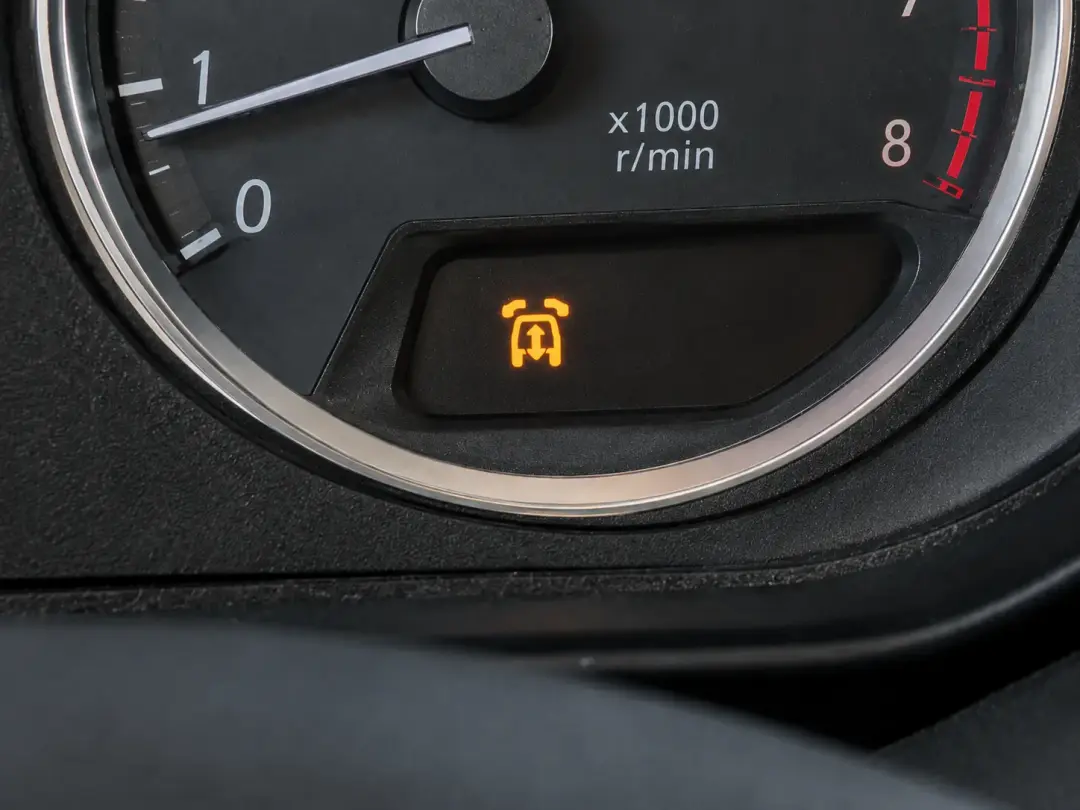
Restarting the engine may clear the message for a short time, but this does not mean the fault has gone. Continuing to drive without checking the system can allow the vehicle to drop lower or place extra strain on the compressor. The warning may also appear with changes in ride height, comfort, or handling.
A technician can connect diagnostic equipment, read stored fault codes, test the sensors, and inspect the air system for leaks. The codes should be used as a guide rather than the only answer, because one fault can trigger several messages.
Book a repair promptly, especially if the warning is red, the vehicle sits unevenly, or the suspension no longer responds. Early diagnosis can reduce further damage and restore normal suspension operation.
Common Air Suspension Faults
Air suspension offers comfort and adjustable ride height, but several parts can wear or fail. Air bags may crack and leak, especially around folds in the rubber. Compressors can become weak after working too often to replace lost air.
Valve blocks may stick or leak internally, causing the wrong corner to rise or fall. Height sensors can send incorrect readings, while damaged wiring or connectors may interrupt communication with the control unit. Air lines can split, rub against nearby parts, or leak at joints. A faulty reservoir may also reduce the amount of stored air available.
Symptoms include a dropped corner, slow lifting, repeated compressor noise, suspension warnings, or a vehicle that sinks overnight. Because these faults can affect each other, replacing one part without testing the full system may not solve the issue. A complete leak and pressure check helps find the real cause and supports a reliable, effective, and lasting suspension repair.
Problems With Shock Absorbers and Springs
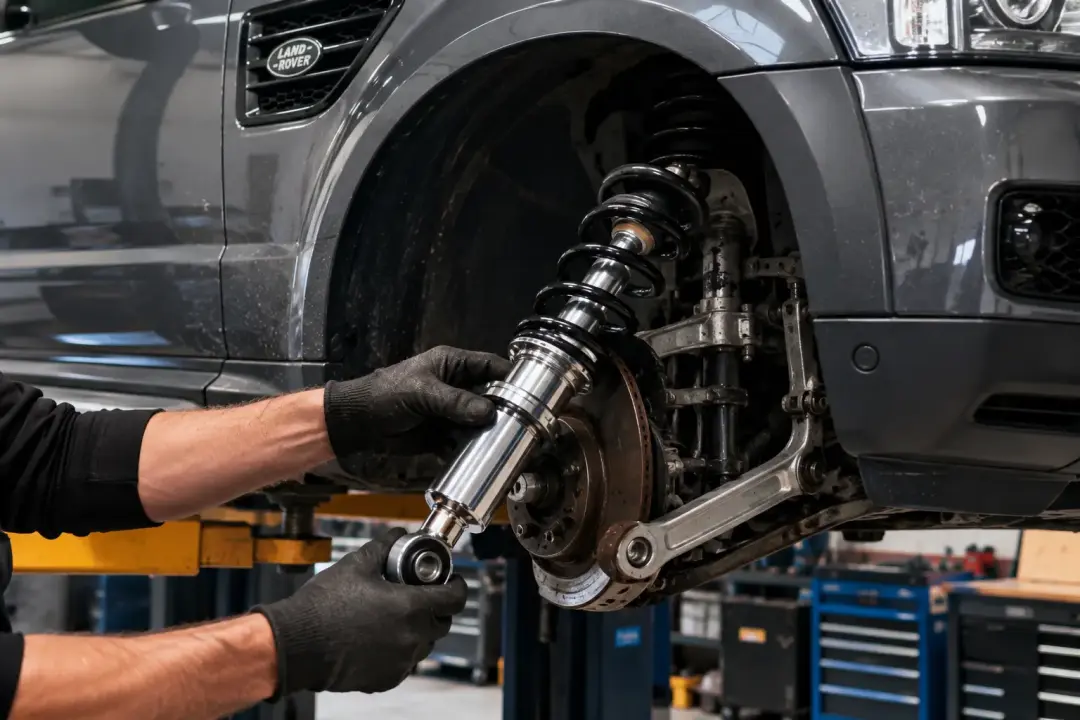
Shock absorbers and springs are central parts of the suspension system. Springs support the vehicle’s weight and help maintain ride height, while shock absorbers control movement after bumps, braking, and turning.
When these parts wear, the vehicle may bounce repeatedly, feel unstable, lean during corners, or dip heavily under braking. A broken spring can cause one side to sit lower and may produce a sharp knocking or scraping noise. Leaking shock absorbers may have visible oil around the body of the unit.
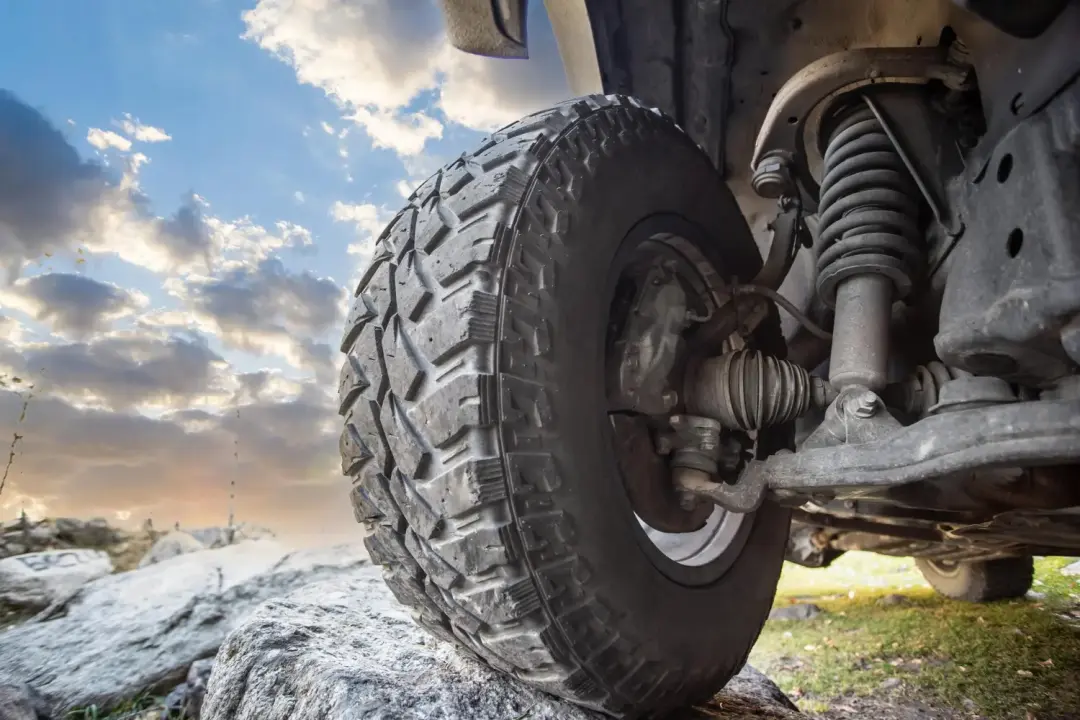
Wear can happen gradually, so the change in ride quality may be easy to miss. Rough roads, corrosion, heavy loads, and high mileage can speed up damage. Worn shock absorbers and springs can also reduce tyre contact with the road, increase stopping distance, and cause uneven tyre wear.
Both sides of the same axle are often checked together because their condition should be similar. During an inspection, a technician will look for leaks, cracks, corrosion, broken coils, damaged mounts, and excess movement.
Replacing worn parts can restore comfort, stability, and correct ride height. It also helps protect tyres, steering parts, and other suspension components from added strain during normal driving on roads and over rougher ground.
How Suspension Faults Are Diagnosed
Diagnosing a suspension fault starts with checking the symptoms and carrying out a careful inspection. A technician may ask when the problem happens, whether the vehicle drops overnight, and whether warning messages have appeared. The vehicle can then be road tested to assess noise, comfort, steering, and stability.
A raised inspection allows springs, shock absorbers, bushes, joints, arms, mounts, pipes, and air bags to be checked. Air suspension systems may need a leak test, pressure check, and compressor test.
Diagnostic equipment can read fault codes and current sensor data, including ride height readings. Measurements may be taken at each wheel to compare the vehicle’s position. Tyres, brakes, and wheel alignment should also be checked because they can cause similar symptoms. A complete diagnosis avoids replacing parts without proof. Once the cause is confirmed, the technician can explain the repair needed and identify any related wear that should also be addressed.
What Happens During a Suspension Repair
The work completed during a suspension repair depends on the fault and the type of system fitted. The technician will first confirm the diagnosis and make the vehicle safe to work on. Worn or damaged parts may then be removed, including springs, shock absorbers, air bags, control arms, bushes, sensors, pipes, or compressor parts.
New components should be suitable for the model and fitted in the correct position. Bolts and fixings must be tightened correctly, and some bushes should only be fully tightened when the suspension is at its normal working height.
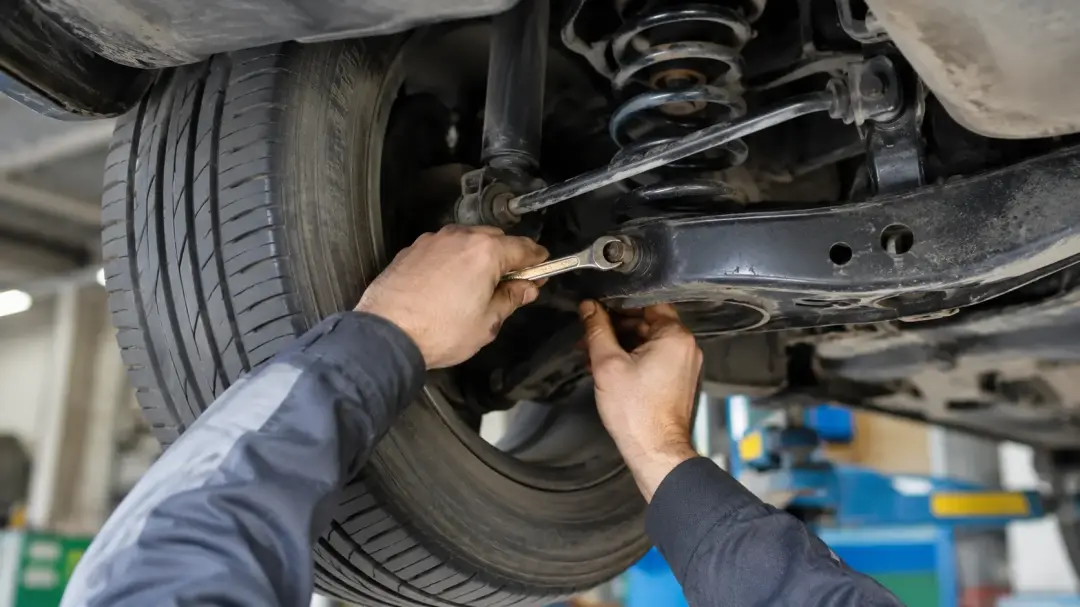
Air suspension repairs may include sealing leaks, replacing damaged lines, fitting a compressor, or calibrating height sensors. The system may need to be filled, tested, and checked for pressure loss. After mechanical work, diagnostic fault codes can be cleared and the vehicle’s ride height checked.
Wheel alignment may be required if arms, joints, or springs have been replaced. A road test helps confirm that the noise, warning, or handling problem has been resolved. The technician should also inspect nearby parts for related damage.
A careful final check ensures the vehicle sits level, responds correctly, and feels stable before it is returned for safe and reliable everyday driving.
Land Rover Suspension Repair Costs
Land Rover suspension repair costs depend on the model, the damaged part, and the amount of labour required. Replacing a small bush or sensor may cost less than fitting an air compressor, air bag, control arm, or complete shock absorber assembly.
Costs can rise if several parts have worn together or if a fault has damaged nearby components. Air suspension repairs may also require leak testing, diagnostic checks, system calibration, or new pipes and valves. The quality of the replacement parts can also affect the final price.
A clear quotation should explain the fault, the required parts, labour, and any extra work such as wheel alignment. It is important to diagnose the problem before agreeing to replacement parts, as similar symptoms can have different causes. Delaying a repair may lead to higher costs if tyres, joints, or the compressor suffer further damage. Arrange an inspection so the price is based on the actual fault rather than an estimate alone.
How Long Suspension Repairs May Take
The time needed for a suspension repair depends on the fault, the vehicle model, and whether the required parts are available. A straightforward sensor, drop link, bush, or shock absorber replacement may be completed within part of a day.
More involved work, such as replacing air bags, compressors, control arms, or several worn parts, can take longer. Corroded bolts, seized fixings, damaged wiring, or difficult access may add time to the repair. Air suspension work may also require leak testing, pressure checks, calibration, and repeated height measurements before the vehicle is ready.
Wheel alignment may be needed after certain parts are replaced. Diagnosis can take additional time when symptoms are occasional or several fault codes are stored. A reliable technician should explain the expected work after inspecting the vehicle, but the timescale may change if further damage is found.
It is better to allow enough time for proper testing than to rush the job. A careful repair should include fitting the correct parts, checking nearby components, clearing warning messages, and completing a road test. This helps confirm that the vehicle sits level, responds correctly, and drives safely. Planning the repair early can also reduce disruption and lower the risk of an unexpected breakdown later.
Contact Independent 4x4 Limited for Land Rover repairs, Land Rover servicing and diagnostics in Rossendale, Lancashire, Yorkshire and Greater Manchester. Our independent 4x4 business is based in the local area and is ready to assist with your vehicle.