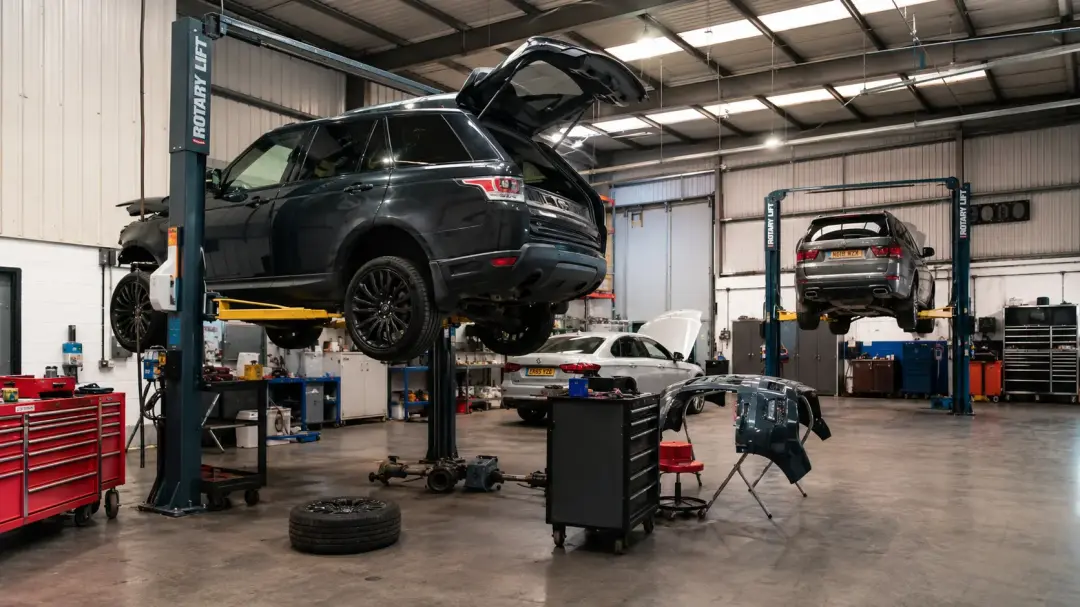
Concerned about signs your Land Rover needs a repair? Warning lights on the dashboard and unusual noises? Detect issues early to ensure safety and reliable performance.
Warning Lights on the Dashboard
Dashboard warning lights are often the first clear sign that your Land Rover needs attention. Some lights, such as the oil pressure, battery, brake, or engine warning light, can point to serious faults that should not be ignored. A light may appear briefly when the vehicle starts, but it should usually switch off once the engine is running.
If it stays on, flashes, or returns while driving, there may be a problem with a key system. Modern Land Rover vehicles use sensors to monitor engine performance, emissions, braking, suspension, and many other parts.
A warning light does not always show the exact fault, so a proper check is important. Continuing to drive without investigating could lead to further damage, reduced safety, or a breakdown. Book a repair as soon as possible, especially if the light is red, the vehicle loses power, or the engine begins to sound unusual today safely.
Unusual Noises While Driving
Unusual noises can be an early warning that something is wearing out, loose, or damaged. A knocking sound from the engine may suggest a problem with internal parts, low oil, or poor combustion.
Grinding noises when braking can mean the brake pads are badly worn and may be damaging the discs. Clicking while turning could point to a worn joint, while humming or rumbling from a wheel may be linked to a bearing.

Clunks over bumps can indicate worn suspension parts, and squealing may come from a slipping belt or brake issue. The location, timing, and type of noise can help a technician find the cause. Try to notice whether the sound happens during acceleration, braking, turning, or driving over uneven ground.
Do not ignore a noise simply because the vehicle still feels normal. Small faults can become more expensive if left untreated.
Some problems can also affect steering, braking, or stability. Arrange an inspection if a new sound continues, becomes louder, or appears alongside vibration, warning lights, or reduced performance. A prompt repair can prevent further damage and help keep your Land Rover safe, smooth, and dependable on every journey. This supports comfort, confidence, and control on the road.
Loss of Power or Poor Performance
A Land Rover that feels slow, struggles to accelerate, or loses power may have an engine, fuel, air, or exhaust problem. You may notice hesitation when pulling away, poor response when pressing the accelerator, or difficulty climbing hills. Common causes include a blocked filter, faulty sensor, fuel delivery issue, turbocharger fault, or problem with the emissions system.
In some cases, the vehicle may enter a reduced power mode to protect the engine from further damage. This often happens when the system detects a serious fault. Poor performance should not be ignored, even if the vehicle continues to drive.
It can make overtaking unsafe, increase fuel use, and place extra strain on other parts. A proper inspection can identify the source of the issue and prevent unnecessary repairs. Book a repair if power loss is sudden, keeps returning, or is joined by smoke, warning lights, unusual noises, or rough running promptly.
Problems With the Gearbox
Gearbox problems can affect both manual and automatic Land Rover vehicles. You may notice delayed gear changes, sudden jolts, slipping gears, unusual noises, or difficulty selecting a gear.
An automatic gearbox may hold a gear for too long, change roughly, or refuse to move into drive or reverse. A manual gearbox may feel stiff, grind during changes, or slip out of gear. These symptoms can be caused by low or contaminated fluid, worn internal parts, a clutch fault, damaged sensors, or an issue with the control system.
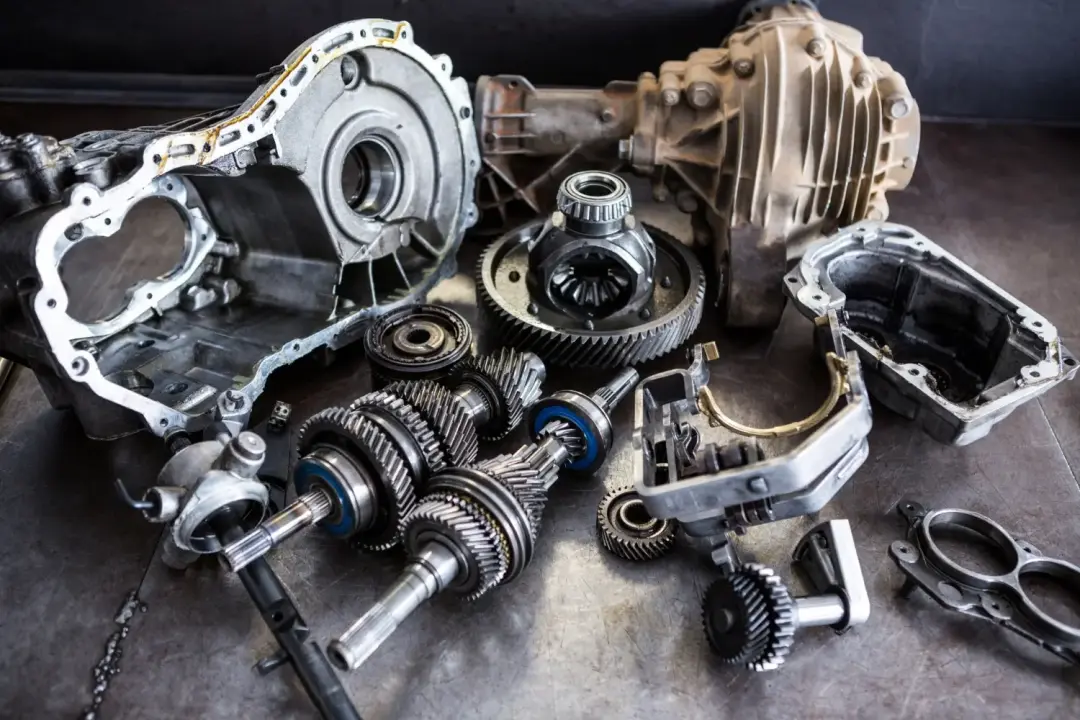
Gearbox faults often become worse over time, and delaying a repair can lead to a much higher bill. If the vehicle struggles to move, produces a burning smell, or makes loud grinding noises, stop driving and seek help.
Even smaller changes in how the gearbox feels should be checked. A technician can test the vehicle, inspect fluid levels, and use diagnostic equipment to find the cause.
Early attention may allow a simple repair or service before major parts fail. Regular servicing can also help protect the gearbox and support smoother, more reliable gear changes. Book an inspection whenever the gearbox behaves differently, especially if the problem appears more than once or becomes clearer.
Steering Feels Heavy or Unstable
Heavy, vague, or unstable steering can make a Land Rover harder to control. You may notice that the wheel takes more effort to turn, the vehicle pulls to one side, or the steering feels loose at higher speeds. These symptoms may be linked to low steering fluid, a failing pump, worn joints, poor wheel alignment, damaged tyres, or suspension faults. A vibration through the steering wheel can also point to wheel balance or braking problems.
Steering issues should always be treated seriously because they can affect your ability to react safely. Check the tyres for obvious damage or low pressure, but do not rely on this alone. A trained technician should inspect the steering and suspension systems to find the exact cause. Book a repair if the steering changes suddenly, becomes noisy, or feels unsafe. Early repairs can improve control, prevent uneven tyre wear, and reduce the risk of damage.
Suspension Feels Rough or Uneven
A Land Rover should feel controlled and stable, even on uneven roads. If the ride becomes harsh, bouncy, or uneven, there may be a fault within the suspension system. You might notice one corner sitting lower than the others, excessive movement after bumps, knocking noises, or the vehicle leaning during turns. Land Rover models with air suspension may also display a warning message or fail to raise and lower correctly.
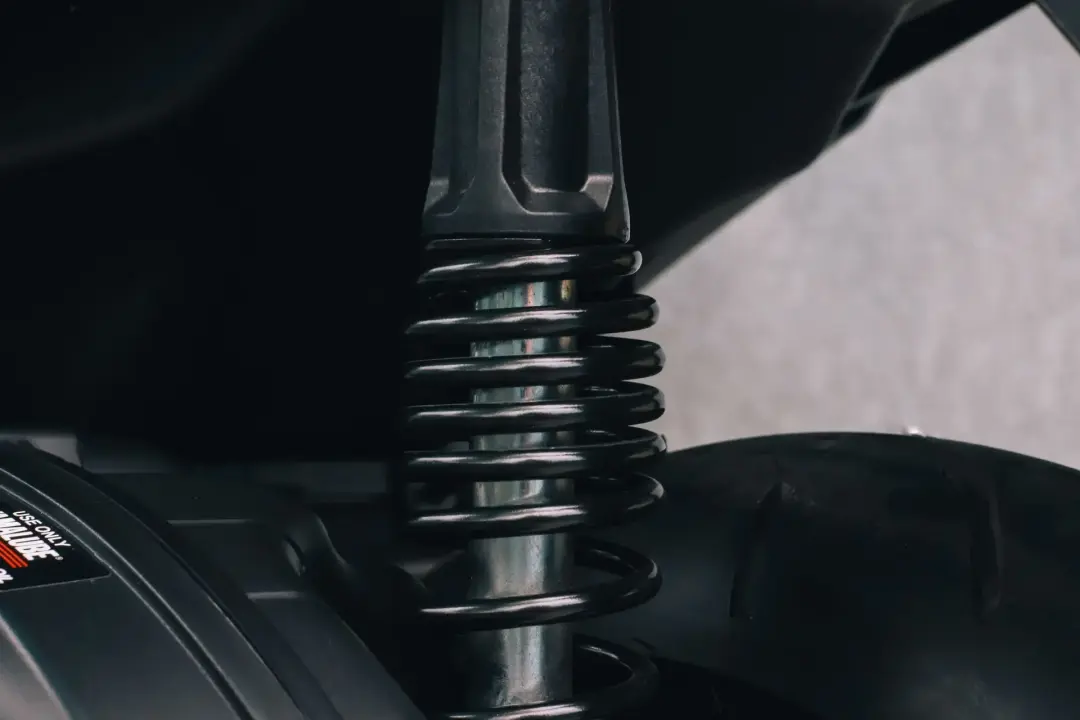
Possible causes include worn shock absorbers, damaged springs, leaking air bags, faulty height sensors, or problems with the compressor. Suspension faults can affect comfort, but they can also reduce steering control, braking stability, and tyre life.
Driving for too long with a damaged suspension part may place extra strain on nearby components. An inspection can identify whether the issue is mechanical, electrical, or related to air pressure.
Book a repair if the vehicle feels unstable, sits unevenly, or makes repeated noises over bumps. Attention can restore ride quality and help protect other parts of the vehicle. It is wise to have the suspension checked after hitting a deep pothole, kerb, or hidden object, even if no damage is immediately visible. This can prevent wear, improve handling, and maintain clearance.
Fluid Leaks Under the Vehicle
Patches or drips under your Land Rover can show that an important fluid is escaping. Engine oil is usually dark brown or black, while coolant may appear pink, green, orange, or blue. Brake fluid is often clear or pale, and gearbox fluid may look red or brown.
Water from the air conditioning system can be normal, but other leaks should be checked. Low fluid levels can cause overheating, poor braking, steering problems, gearbox damage, or engine failure.
Do not assume a small leak is harmless, as it may become worse without warning. Check where the fluid appears and whether there is a strong smell, but avoid touching unknown liquids.
Book an inspection so the source can be found and repaired properly. If warning lights appear, fluid levels drop quickly, or the vehicle feels unsafe, stop driving. Prompt action can prevent expensive damage and reduce the risk of a breakdown later.
Braking Feels Weak or Unusual
Brakes should respond smoothly, firmly, and predictably. If the pedal feels soft, sinks towards the floor, vibrates, or needs more pressure than usual, the braking system may have a fault.
Other warning signs include squealing, grinding, pulling to one side, a longer stopping distance, or a burning smell after braking. These symptoms can be caused by worn pads, damaged discs, leaking fluid, trapped air, a failing calliper, or a problem with the electronic braking system. Brake faults can worsen quickly and should never be delayed.
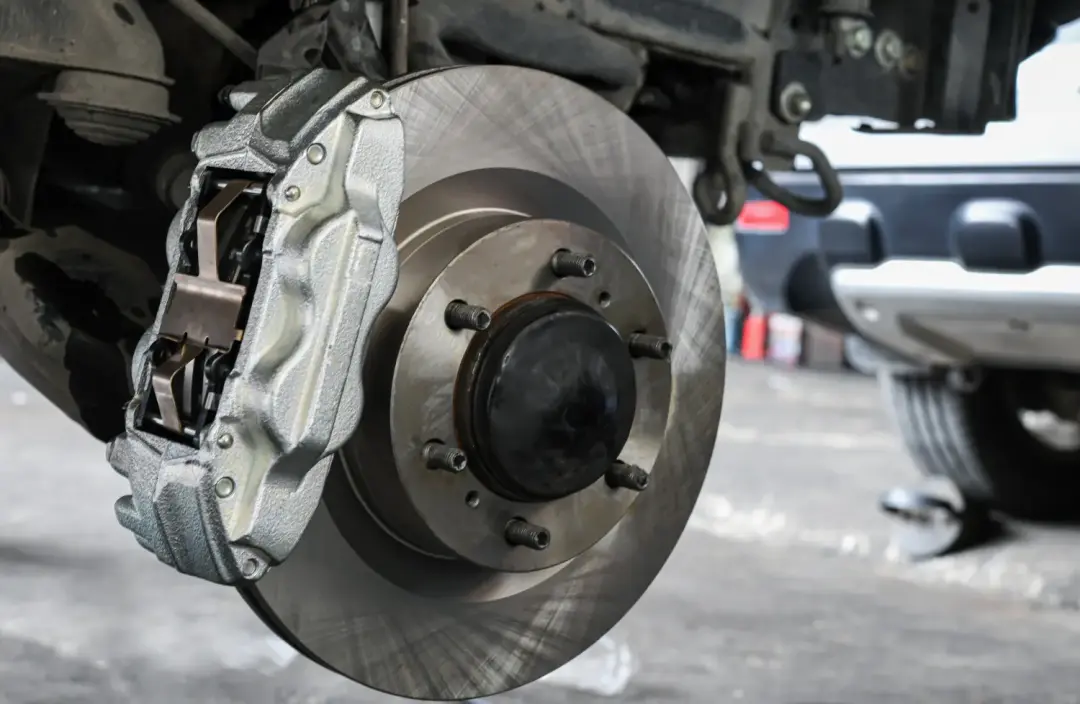
Even if the vehicle still stops, its braking distance may be longer, especially in wet weather or during an emergency. A technician can inspect the pads, discs, hoses, fluid, and related parts to find the cause.
Book a repair immediately if a brake warning light appears or the pedal feels very different. If braking becomes severely reduced, do not continue driving. Arrange recovery instead.
Regular checks help catch wear before it becomes dangerous. They can also prevent damage to more costly parts. Reliable brakes are essential for every journey, so any change in braking feel, sound, or response should be treated as a clear sign that your Land Rover needs professional attention without delay today.
The Engine Is Overheating
An overheating engine needs urgent attention because high temperatures can cause severe damage. You may see the temperature gauge rise, a warning message appear, or steam coming from under the bonnet. The engine may also lose power or produce a sweet smell from leaking coolant.
Common causes include low coolant, a damaged hose, a faulty thermostat, a failing water pump, or a blocked radiator. If the engine overheats, stop in a safe place and switch it off. Do not remove the coolant cap while the engine is hot, as pressurised fluid can cause burns. Allow the vehicle to cool and arrange professional help.
Continuing to drive could damage the head gasket, cylinder head, or engine block. Even if the temperature returns to normal, the cause still needs to be checked. Book a repair promptly so the cooling system can be inspected, tested, and restored before the problem happens again soon.
Trouble Starting the Vehicle
Difficulty starting can be caused by a simple battery issue or a more serious engine fault. You may hear rapid clicking, slow cranking, a single click, or no sound at all when turning the key or pressing the start button.
The engine may also turn over normally but fail to start. Possible causes include a weak battery, faulty starter motor, damaged wiring, fuel supply problem, worn ignition parts, or a security system fault.
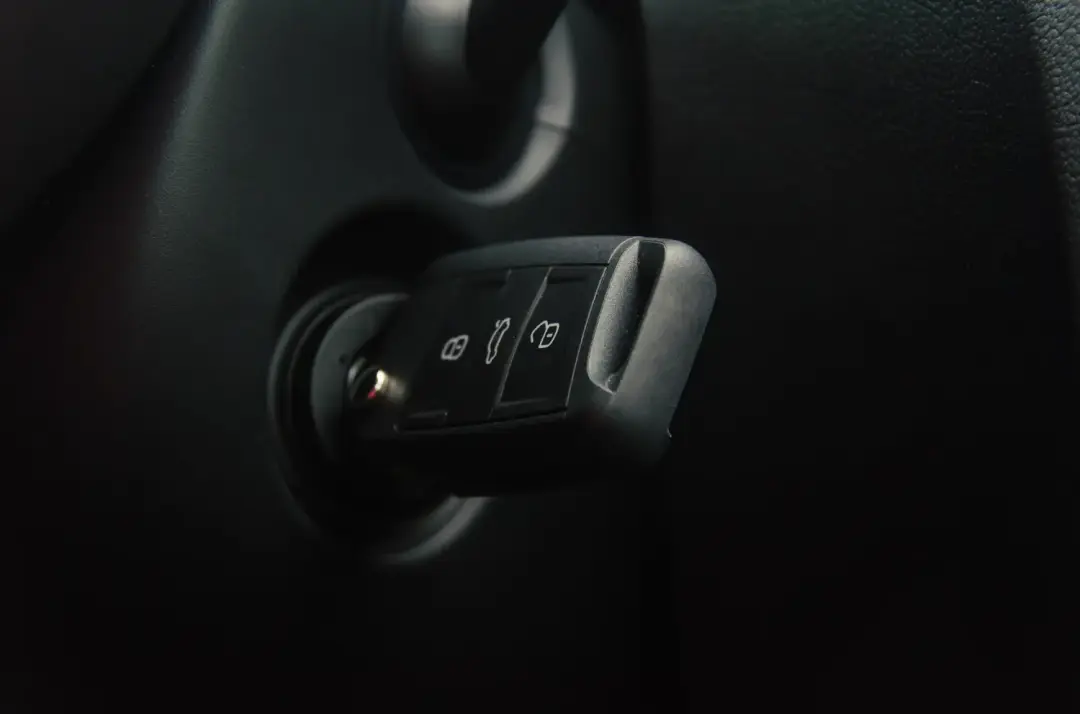
Cold weather can make an ageing battery struggle, while repeated short journeys may prevent it from charging fully. If the vehicle starts after several attempts, the problem should still be checked. Repeated failed starts can place extra strain on the battery and starter motor.
A technician can test the battery, charging system, starter, fuel system, and stored fault codes. Book a repair if starting becomes slower, less reliable, or is joined by warning lights or unusual smells.
If the engine cuts out soon after starting, avoid driving until the cause is known. Early diagnosis can prevent a complete no-start situation and help you avoid being stranded. Regular battery checks are especially useful before winter or before a long journey, when reliable starting is particularly important for you.
Increased Fuel Use
A rise in fuel use can show that your Land Rover is not running efficiently. You may notice fewer miles from each tank, more frequent visits to the fuel station, or a change in the trip computer reading. Causes can include low tyre pressure, a blocked air filter, faulty sensors, fuel system problems, poor wheel alignment, or issues with the engine and emissions system.
Driving conditions and heavy loads can also affect fuel use, but a change should be investigated. Poor efficiency often appears alongside reduced power, rough running, smoke, or a warning light. Ignoring the issue may increase running costs and allow a fault to worsen.
A technician can check the engine, tyres, filters, sensors, and stored fault codes to find the reason. Book a repair if fuel use rises without a clear change in your driving. Fixing the cause can improve performance, reduce waste, and help prevent further damage.
Smoke From the Exhaust
Exhaust smoke can reveal important information about how the engine is running. A small amount of white vapour on a cold morning can be normal, but thick or lasting smoke needs attention. Blue smoke often suggests that engine oil is burning. Black smoke may mean the engine is using too much fuel or not receiving enough air. Thick white smoke can point to coolant entering the engine, which may be linked to a serious gasket or cylinder problem.
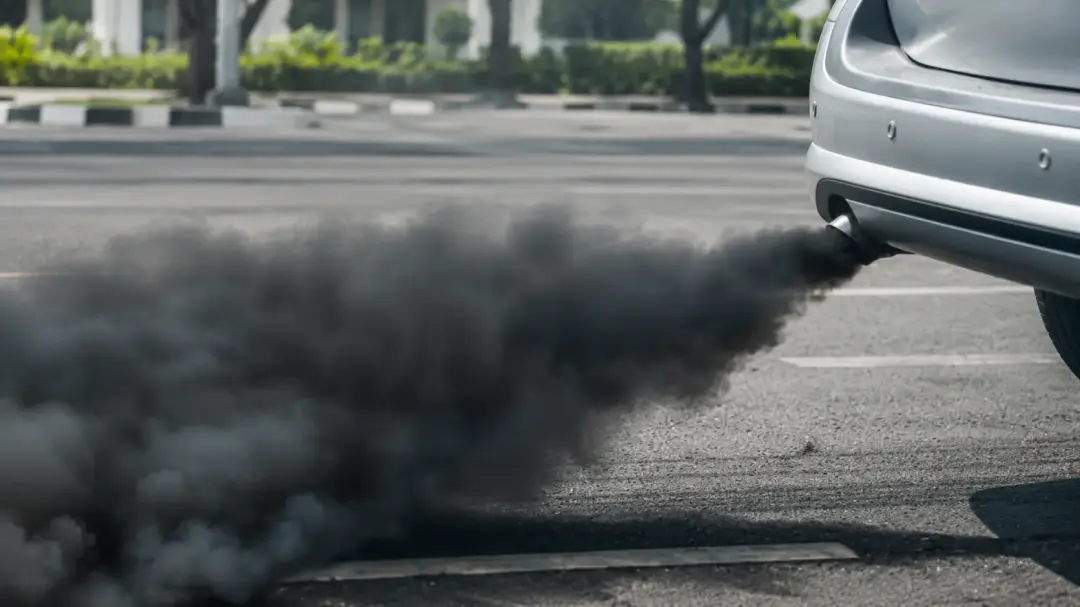
Smoke may also appear with poor performance, rough running, unusual smells, or warning lights. Do not ignore a change in exhaust colour, especially if it continues after the engine warms up. A technician can inspect the engine, turbocharger, fuel system, filters, and emissions parts to find the cause.
Book a repair quickly if the smoke is heavy, the oil or coolant level is falling, or the engine is overheating. Continued driving may cause further damage and increase harmful emissions. If visibility becomes poor or the vehicle loses power, stop safely and arrange recovery. Early diagnosis can reduce repair costs and help return the engine to cleaner, smoother, and more reliable operation. It also supports safer driving and better fuel efficiency over time.
Strange Smells Inside or Outside the Vehicle
Unusual smells can be a warning that something is leaking, overheating, or wearing out. A burning smell may come from brakes, wiring, oil, a belt, or the clutch. A sweet smell can indicate leaking coolant, while a strong fuel smell may point to a leak or poor combustion.
Musty smells inside the cabin can be caused by damp, mould, or a blocked air conditioning system. Do not ignore smells that are joined by smoke. Some faults can create a fire risk or allow harmful fumes into the vehicle.
Open the windows, stop and switch off the engine if the smell becomes severe. Avoid driving if you suspect leaking fuel or burning wiring. A technician can inspect the engine bay, exhaust, brakes, heating, and air conditioning systems to find the source. Book a repair promptly, even if the smell disappears. Early action can protect the vehicle and keep passengers safe.
When to Book a Land Rover Repair
Book a Land Rover repair whenever a warning sign appears, even if the vehicle still seems usable. Small changes in sound, performance, steering, braking, temperature, or fuel use can point to a developing fault. Acting early often makes the repair simpler and may prevent damage to other parts. You should seek urgent help for red warning lights, overheating, weak brakes, heavy steering, strong fuel smells, thick exhaust smoke, or sudden power loss. In these cases, continuing to drive may be unsafe.
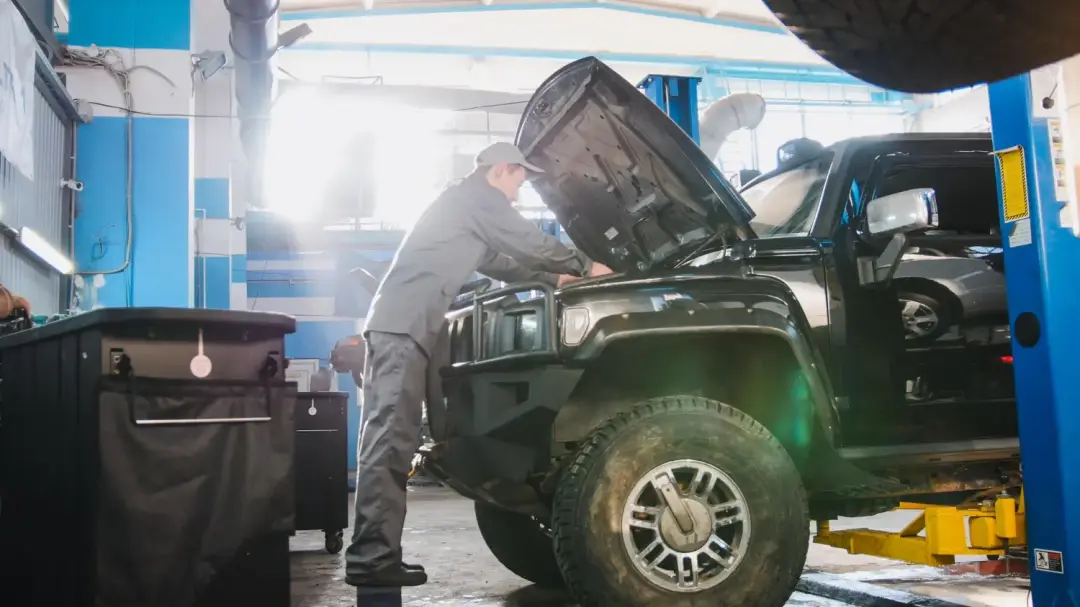
For less urgent symptoms, arrange an inspection as soon as possible rather than waiting for the next service. Keep a note of when the problem happens, what the vehicle is doing, and whether any lights or messages appear. This information can help the technician diagnose the issue. Regular servicing is also important because it can identify wear before obvious symptoms develop.
A repair should use suitable parts, clear fault codes, and include checks to confirm the problem has been solved. Paying attention to early signs helps your Land Rover remain safe and reliable. It can also reduce the chance of a breakdown and support performance over the long term. Attention protects value and gives you confidence on every journey.
Contact Independent 4x4 Limited for Land Rover repairs, Land Rover servicing and diagnostics in Rossendale, Lancashire, Yorkshire and Greater Manchester. Our independent 4x4 business is based in the local area and is ready to assist with your vehicle.