Looking for common off-road upgrades for 4x4 vehicles? Discover the best modifications to boost grip, ground clearance, and vehicle control for demanding off-road adventures.
Why People Upgrade 4x4 Vehicles for Off-Road Use
Many people upgrade their 4x4 for off-road use because standard models are often suited for general road driving only, rather than rough ground. While many 4x4s already have strong performance and good grip, the right upgrades can make them better suited for muddy terrain, steep tracks, rocky paths and wet fields.
One of the main reasons for upgrading a 4x4 is to improve its traction and control. Off-road tyres with deeper tread can improve the vehicle's grip on loose or slippery surfaces. Suspension upgrades can improve your ground clearance and help the vehicle handle uneven land better.
Overall, upgrading a 4x4 for off-road use can improve your vehicle's safety, performance, durability and versatility.
Suspension Lifts and Ride Height Changes
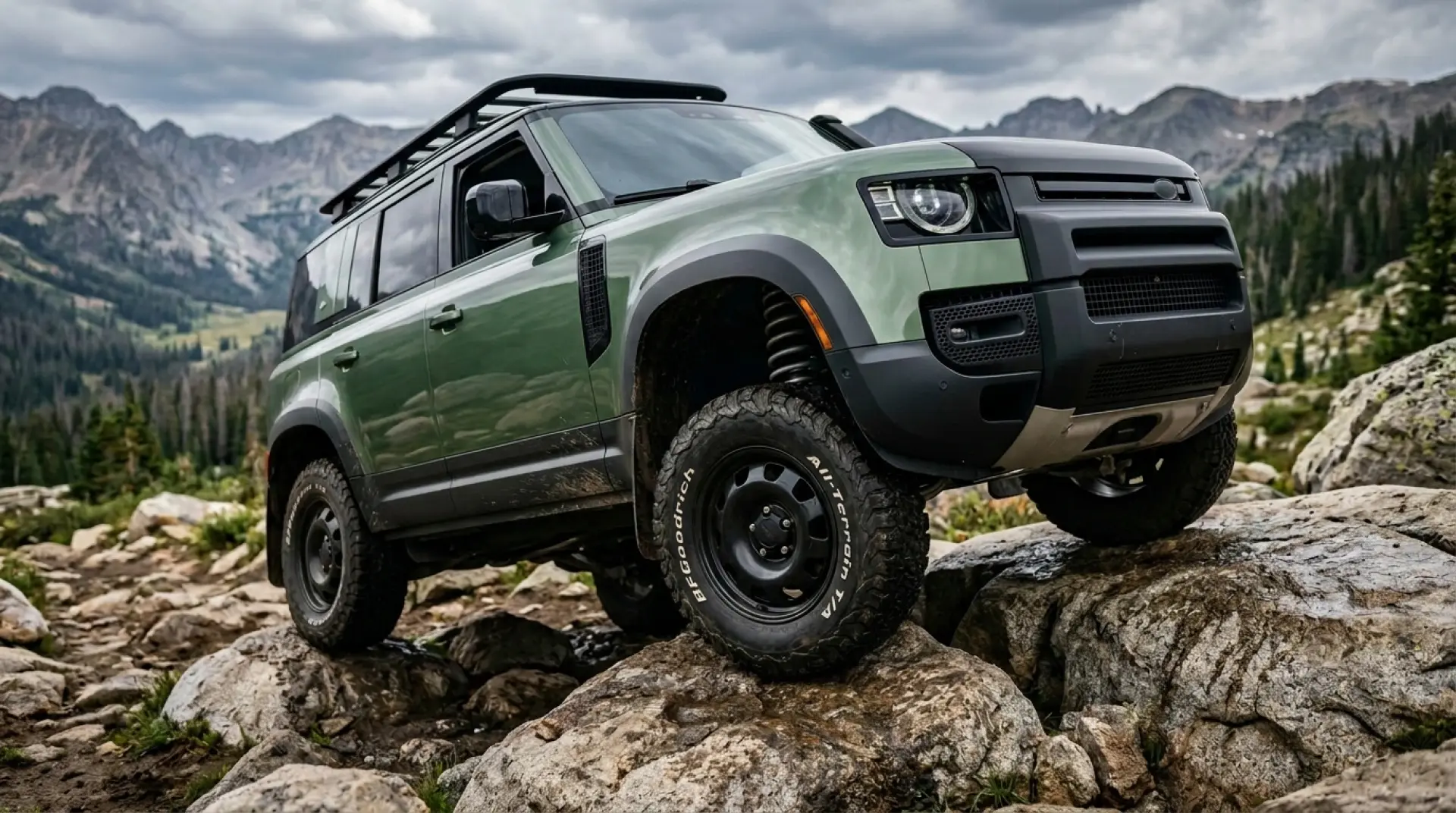
Many 4x4 owners choose to upgrade their suspension with lift kits or make ride height changes to improve how their vehicle performs off-road. Standard suspension is mainly designed for comfort when you're driving on normal roads, but it can struggle when you're driving over rough ground, deep mud or uneven tracks.
One of the main reasons for a suspension lift is to improve your ground clearance. This means the underside of the vehicle sits higher above the ground, which reduces the risk of you hitting rocks, tree roots or deep ruts. It helps protect the important parts of your vehicle, such as the exhaust, gearbox and fuel tank, which can be expensive to repair if they become damaged.
Additionally, changing the vehicle's ride height can improve your approach, departure and breakover angles. These angles affect how easily a vehicle can climb over obstacles or drive through dips without getting stuck. A higher ride height allows the vehicle to tackle steeper inclines and uneven terrain without scraping or grounding.
Off-Road Tyres for Better Grip
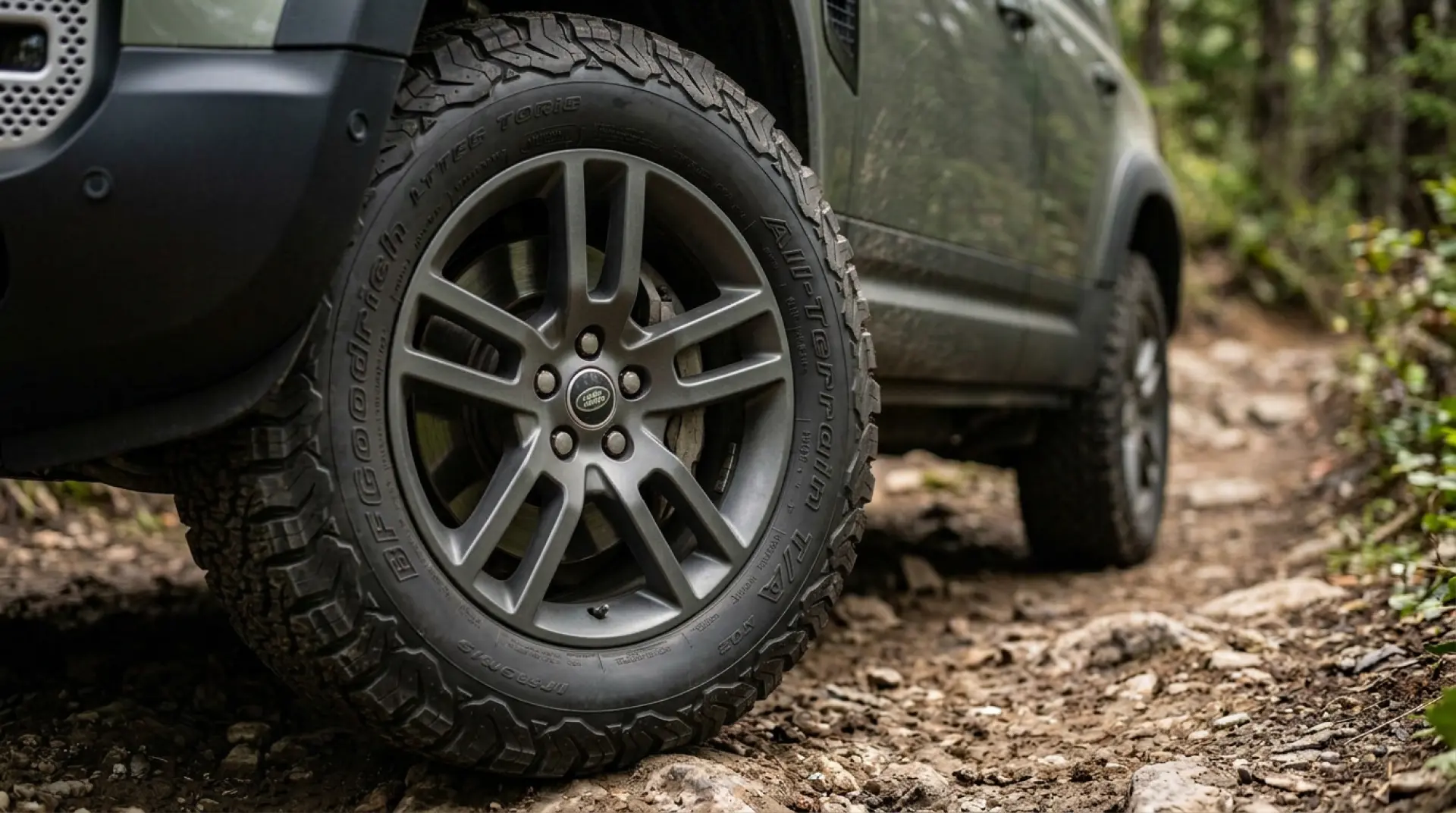
Standard road tyres are designed for smooth surfaces, which means they can struggle when you're driving through mud, loose gravel, sand or wet grass. Off-road tyres have deeper tread patterns and stronger sidewalls, which help the vehicle stay in control on uneven or slippery ground.
The deeper tread on off-road tyres allows them to dig into soft surfaces, giving the vehicle more grip and reducing the chances of you getting stuck. These tyres are also built to handle rough usage, which helps prevent punctures and damage from sharp stones or debris - making them more reliable when you're driving in remote or rural areas.
All-Terrain vs Mud-Terrain Tyres
All-terrain tyres are made to handle a mix of road and off-road usage. They have a moderate tread pattern that provides good grip on surfaces such as gravel, light mud and wet roads, while still offering a smooth and quiet drive on normal roads. This makes them a practical choice for drivers who use their vehicle daily but still need some off-road ability.
On the other hand, mud-terrain tyres are designed for more extreme off-road conditions. They have a much deeper and more aggressive tread pattern, which helps them drive through thick mud, loose dirt and rough terrain, without losing grip. The wider gaps between the tread blocks also allow the vehicle to clear through mud better, which helps the vehicle maintain traction. However, these tyres can be noisier and less comfortable to use on standard roads.
Stronger Wheels and Beadlock Options
Standard wheels are mainly designed for road use only, so they may not cope well on rough terrain. Beadlock wheels are designed to clamp the tyre securely to the wheel, which prevents the tyre from coming loose when you're driving at low pressures.
Lower tyre pressure is often used off-road to increase the tyre’s contact with the ground, improving its grip on soft surfaces like sand or mud. Without beadlocks, there's a higher chance of the tyre slipping off the rim.
These upgrades also improve your control and stability. A more secure tyre fit and stronger wheel structure help the vehicle handle tough conditions with more confidence.
Underbody Protection and Skid Plates
Upgrading a vehicle’s underbody protection and skid plates is a common step for drivers who plan to use their vehicle off-road. Standard vehicles often have limited protection underneath, leaving many key parts exposed to potential damage when you're travelling over rough ground, rocks or deep ruts.
Skid plates act as a barrier for the engine, gearbox, fuel tank and differential. When you're driving over uneven terrain, these areas are prone to sustaining damage, so strong underbody protection is a great way to prevent these risks.
With this added protection in place, drivers can also tackle more challenging routes without worrying as much about what lies beneath the vehicle. This makes it easier to navigate rocky paths, steep inclines and muddy tracks.
Bull Bars, Rock Sliders and Side Protection
Upgrading your 4x4 with bull bars, rock sliders and side protection is a practical choice for off-road driving. These additions are designed to protect your vehicle’s body and key areas from damage when you're driving over rough or uneven terrain.
Bull bars are fitted to the front of the vehicle and help shield the grille, headlights and radiator. This is useful when you're driving through areas with branches, debris or uneven ground since the front of the vehicle may come into contact with these obstacles.
Rock sliders and side protection help guard the lower sides of the vehicle. When you're driving over rocks or deep ruts, the sides of your vehicle can easily be scraped or dented. In this situation, the rock sliders are impacted by the rocks instead of the vehicle’s bodywork.
Winches for Recovery Situations
Recovery situations are common when you're driving in challenging conditions, since wet ground and uneven terrain can easily cause a vehicle to lose traction or become stuck.
One of the main benefits of a winch is self-recovery. If a vehicle becomes stuck in mud, sand or a deep rut, a winch can be used to pull it free by attaching the cable to a strong anchor point such as a tree or another vehicle. This reduces your reliance on outside help and can save you time if you're in a remote area.
Snorkels for Water and Dust Protection
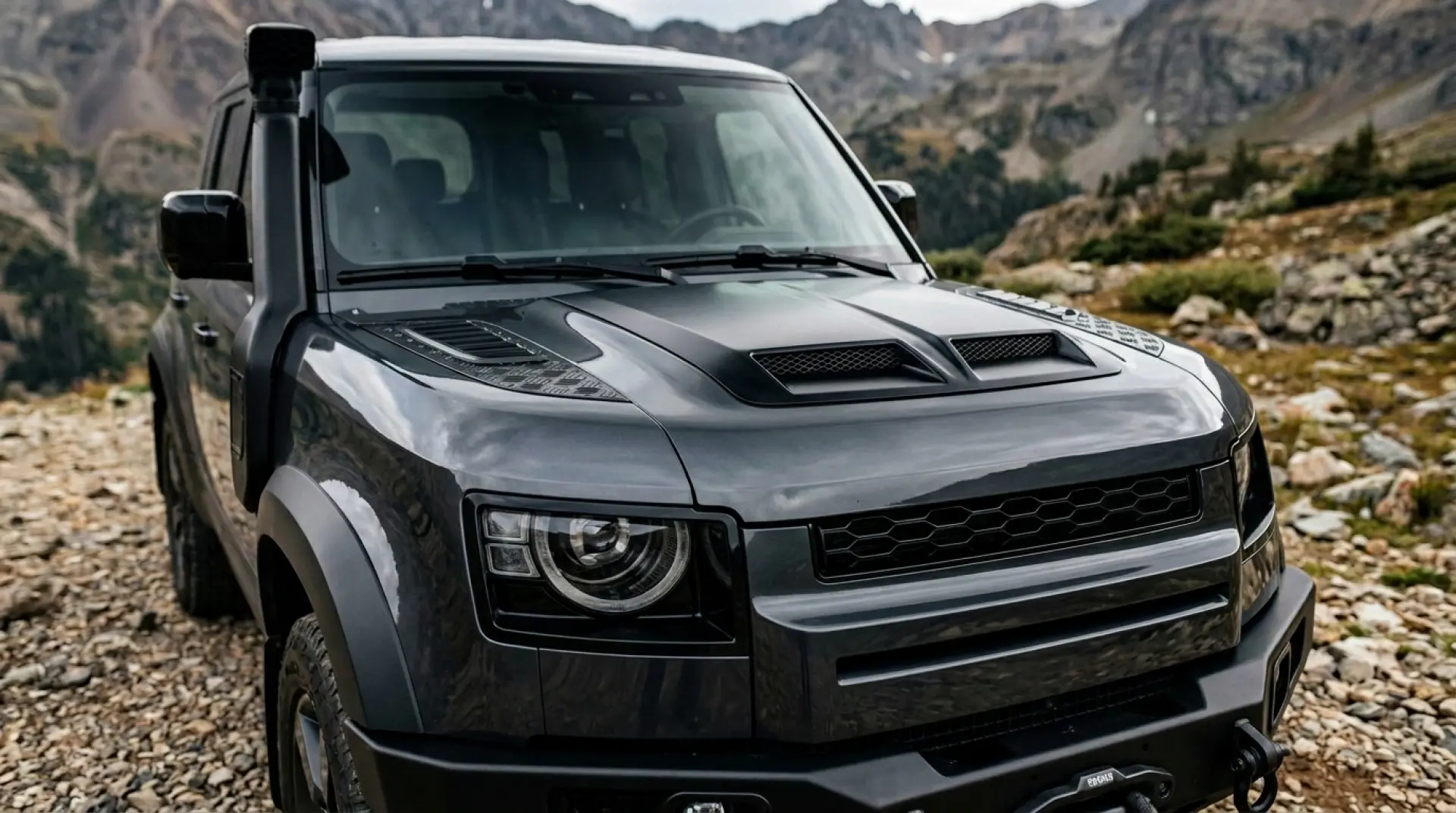
A snorkel raises the engine’s air intake point, usually to roof height, which helps protect the engine from water and dust. When you're driving through deep water, there's a constant risk of water entering the engine through the air intake. This can cause serious damage and can stop the engine from functioning completely. A snorkel reduces this risk by drawing in air from a higher and safer position.
Off-road driving often involves driving through loose dirt and dust, especially on dry tracks. A higher air intake means that cleaner air is drawn into the engine, which can improve your vehicle's performance and reduce wear and tear on the engine over time.
Locking Differentials for Tough Ground
Standard differentials allow wheels to rotate at different speeds, which is useful on normal roads, but it can cause problems off-road. If one wheel loses grip, power may be sent to that wheel instead of the one with traction.
Locking differentials solves this issue by forcing wheels on the same axle to turn at the same speed. This ensures that power is delivered to the wheels evenly, which helps the vehicle maintain its traction - even if one wheel is on a slippery or uneven surface.
When you're driving on mud, loose gravel or rocky terrain, locking differentials helps keep the vehicle moving forward. This reduces the risk of getting stuck and makes it easier to tackle difficult routes.
Better Lighting for Night Driving
Standard factory lights are mainly designed for road use, so they may not provide enough brightness or coverage when you're driving on unlit tracks, fields or remote areas.
Upgraded lighting, such as LED light bars or spotlights, can illuminate a much wider area in front of the vehicle. This helps drivers see obstacles like rocks, dips, water and uneven ground much earlier, giving them more time to react safely.
Off-road environments often require awareness of what's happening to the sides of the vehicle as well as ahead. Additional lights can help highlight hazards that may not be visible with standard headlights alone. Clear visibility reduces the risk of accidents, especially when you're driving on unfamiliar routes or in poor weather conditions such as fog or heavy rain.
Upgraded Shock Absorbers and Springs
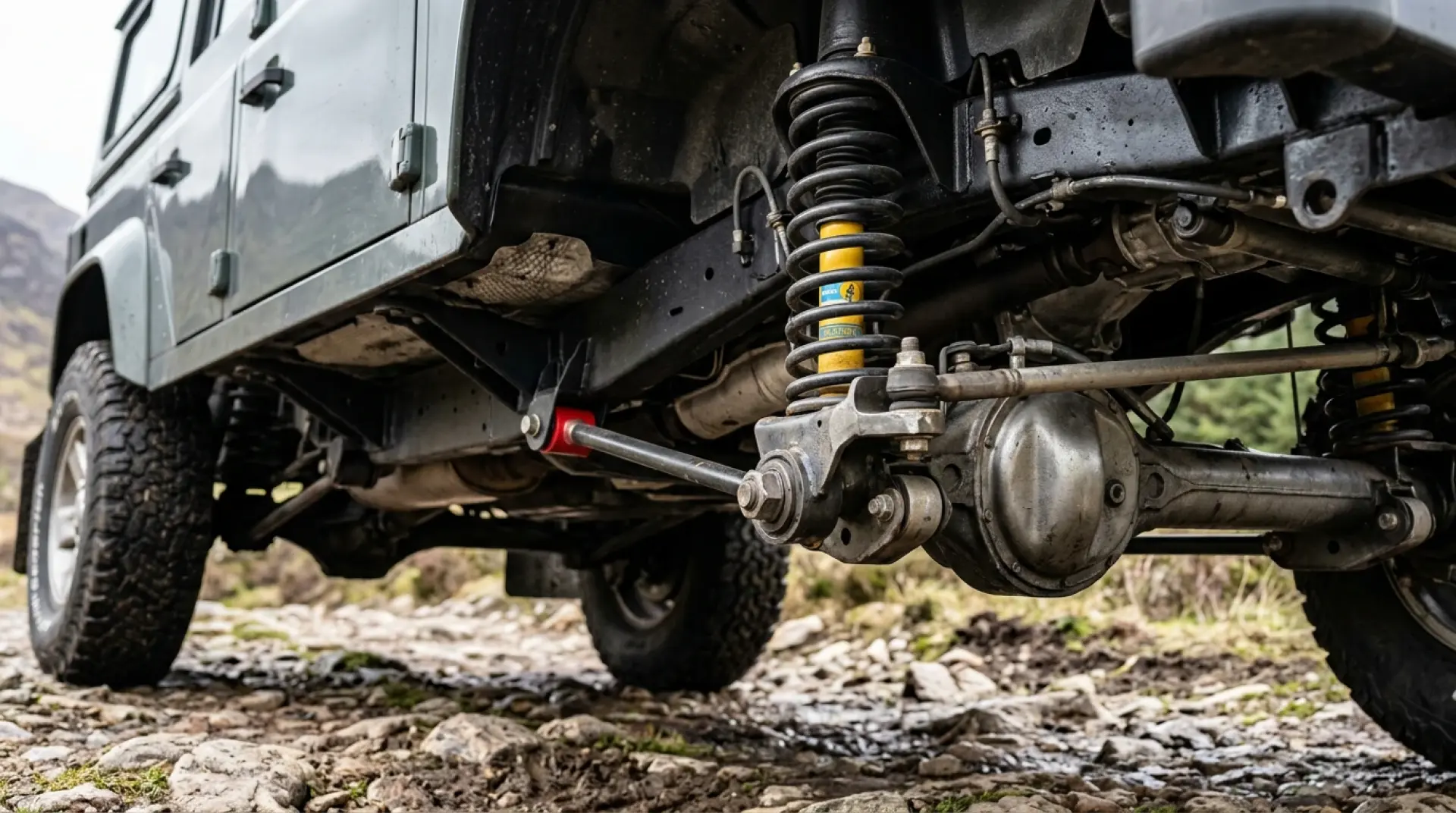
Standard suspension parts are designed for comfortable driving on normal roads, but they can struggle to cope with rough terrain, heavy loads and constant impacts. Upgraded shock absorbers help manage the vehicle's movement over bumps, dips and uneven ground, which helps keep the tyres in contact with the surface.
Stronger springs also help support the weight of the vehicle more effectively, especially when it's carrying equipment or travelling over challenging terrain. This helps the vehicle maintain its proper ride height and prevents the vehicle from sagging under pressure.
Recovery Points and Tow Hooks
Standard vehicles may not always have strong or suitable attachment points for recovery, which can make it difficult or unsafe to pull the vehicle out if it becomes stuck.
Purpose-built recovery points are designed to handle high loads, which reduces the risk of parts failing under pressure. This is especially important when you're using recovery straps or winches, since strong and secure fixing points are essential.
Clearly positioned tow hooks and recovery points make it quicker and simpler to attach recovery equipment. This can save you time and effort, especially in difficult conditions such as deep mud or uneven ground.
Roof Racks and Extra Storage
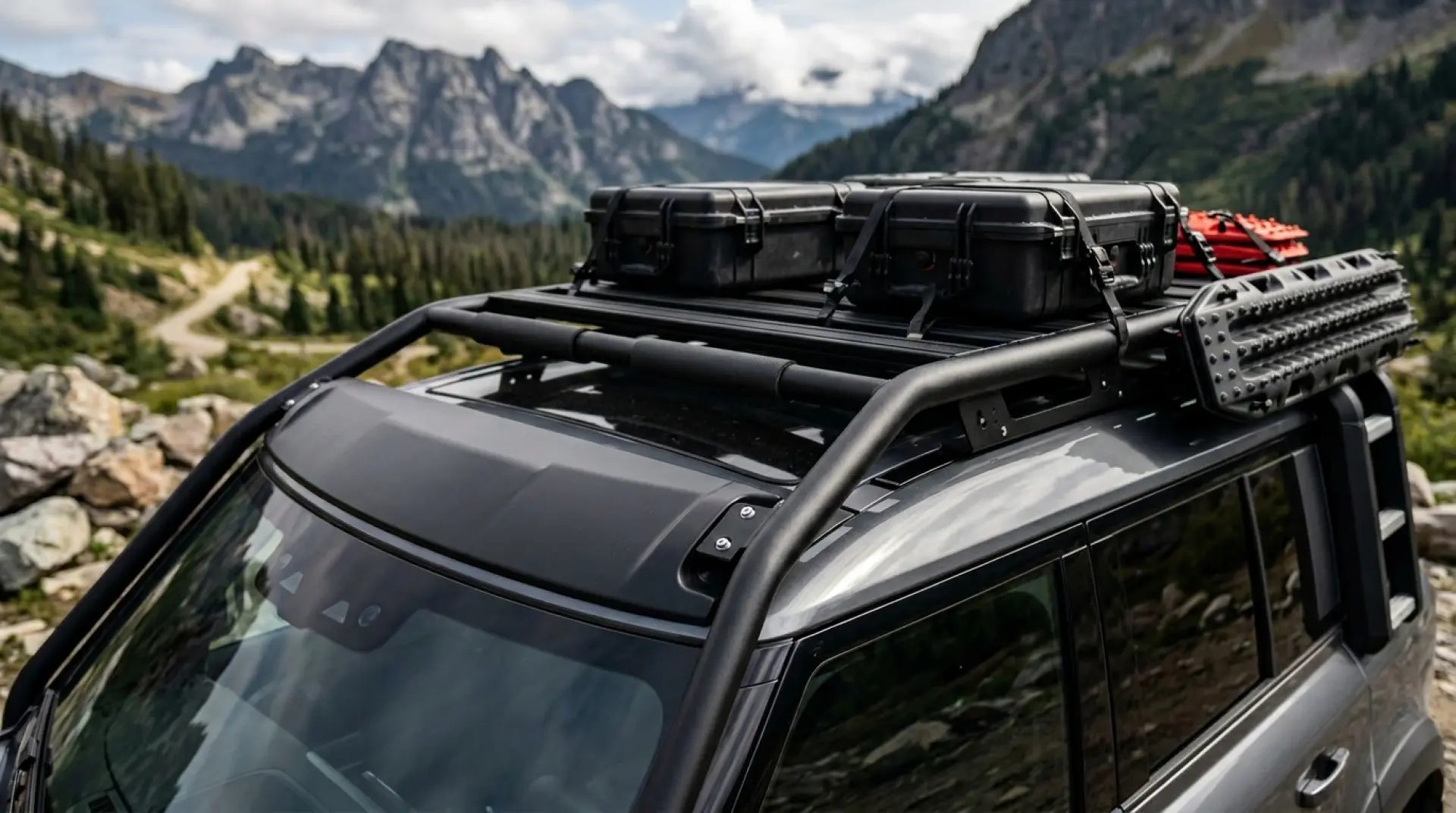
Roof racks provide a simple way to carry additional equipment without overcrowding the cabin inside your vehicle. Roof racks allow drivers to carry camping gear, tools, spare tyres or recovery equipment, which is especially useful during longer trips where more supplies are needed.
By storing bulky or less frequently used items on the roof, the inside of the vehicle remains clear and more comfortable for passengers. It also makes it easier to access important equipment when you need it.
Air Compressors and Tyre Pressure Tools
Lowering your tyre pressure can increase the contact area between the tyre and the ground, which helps the vehicle grip soft surfaces such as sand, mud or snow better.
An onboard air compressor also allows drivers to easily re-inflate their tyres after leaving off-road terrain. Driving on roads with low tyre pressure can affect your vehicle's handling and can cause uneven tyre wear, so being able to adjust the pressure quickly is important.
Battery Upgrades and Dual Battery Setups
A dual battery system separates the main starting battery from the secondary battery that's used to power accessories. This means the main battery remains fully charged and ready to start the vehicle, even if other equipment has been used for long periods of time.
Off-road vehicles often use items such as winches, lighting, air compressors and navigation tools. A second battery provides the extra power that's needed to run these components without draining the main supply.
Battery upgrades also improve your vehicle's performance in remote areas. When you're travelling away from support services, it's essential to have a reliable power source. A dual setup allows drivers to stay powered for longer periods of time without worrying about losing power completely.
Performance Tuning and Engine Upgrades
Standard engines are designed for general driving, but off-road terrain often requires more power, torque and control. One of the main benefits of tuning your engine is increasing your torque. This helps the vehicle move over steep inclines, deep mud or loose surfaces better, and the low-speed power makes it easier to maintain control without needing excessive acceleration.
Performance tuning can also improve your throttle response, which allows you to react quicker in challenging situations. This is especially useful when you're navigating uneven ground or avoiding obstacles.
Brake Upgrades for Heavier Loads
Most braking systems are designed for normal driving, but extra weight from equipment, passengers or modifications can put more strain on the brakes.
Stronger brake components, such as larger discs and upgraded pads, can help the vehicle slow down more effectively, even when it's fully loaded. This is especially important if you're driving over steep slopes or uneven ground.
Off-road driving and heavy loads can also cause the brakes to overheat. Upgraded brake systems are designed to handle higher temperatures, reducing the risk of the brakes failing.
Choosing the Right Upgrades for Your Driving Needs
Choosing the right upgrades for your 4x4 ensures that the vehicle will perform well for your specific driving needs. Not all upgrades are necessary, so selecting the right ones can help you avoid unnecessary expenses while improving your vehicle's performance. Overall, the right upgrades can help you create a balanced, reliable and capable 4x4 that suits both everyday use and off-road driving.
Independent 4x4 Limited is a trusted supplier of 4x4 spare parts. We provide a wide range of components to keep your vehicle running smoothly. From essential replacements to performance upgrades, we provide reliable components for both everyday driving and off-road use.