Need help with Common Land Rover Gearbox problems in Rossendale? Our specialised team delivers expert repair services, ensuring your Land Rover performs at its best.
How a Land Rover Gearbox Works
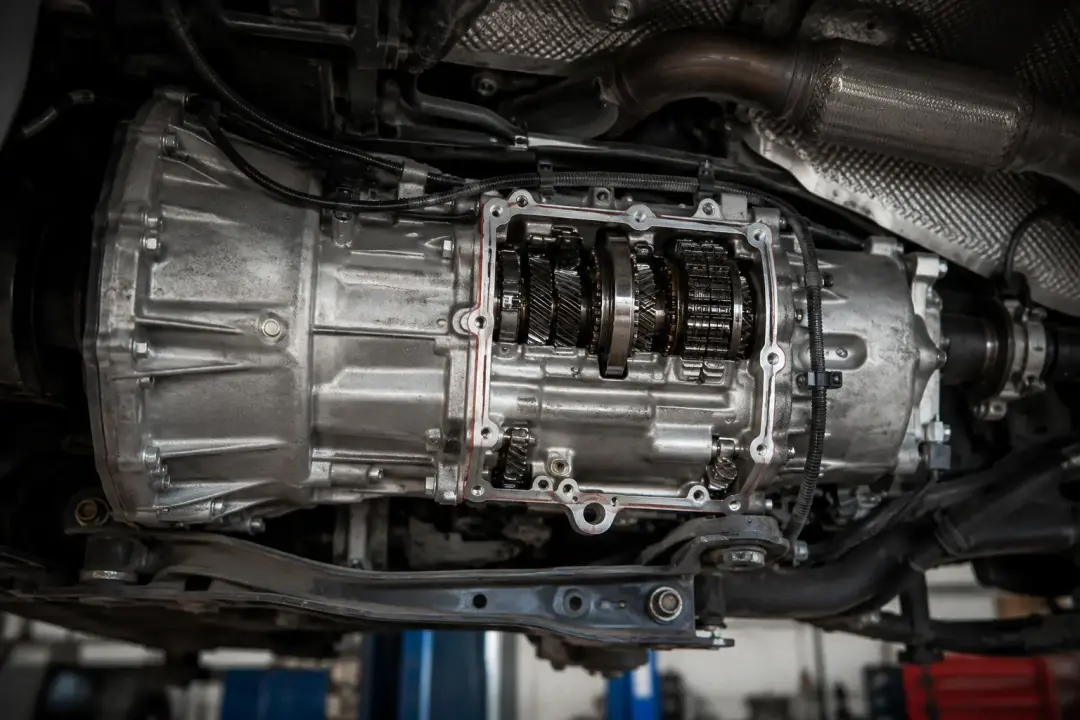
A Land Rover gearbox transfers power from the engine to the wheels while helping the vehicle move at different speeds. It uses a range of gears to balance engine speed, road speed, and pulling power. Lower gears provide more force for moving away, climbing hills, or driving off road, while higher gears support smoother and more efficient travel.
Automatic gearboxes select gears using sensors, hydraulic pressure, and electronic controls. Manual gearboxes rely on the driver operating the clutch and gear lever. Many Land Rover models also use four wheel drive systems that work with the gearbox to send power to each wheel.
Gearbox fluid helps cool, clean, and protect internal parts, while also supporting smooth operation. When the system works correctly, gear changes should feel controlled and predictable. Wear, low fluid, damaged parts, or electrical faults can affect performance and may lead to more serious gearbox problems over time eventually.
Signs of a Gearbox Problem
Gearbox problems can appear through changes in sound, movement, warning messages, or the way the vehicle responds. Common signs include hesitation when selecting drive or reverse, rough changes, slipping gears, grinding noises, and difficulty moving the gear lever. The engine speed may rise without a matching increase in road speed, or the vehicle may suddenly lose power while travelling.
You might also notice fluid beneath the vehicle, a burning smell, shaking, or a warning light on the dashboard. Some faults only happen when the gearbox is cold, while others become clearer after a longer journey. Paying attention to when the symptom appears can help a technician find the cause.
Do not ignore a small change because gearbox faults often become worse. Continuing to drive can increase wear and damage parts that may otherwise have been repaired. It can also make pulling away, overtaking, or joining traffic less predictable.
Arrange an inspection if the gearbox behaves differently more than once. Stop driving if the vehicle cannot select a gear, makes loud grinding sounds, leaks heavily, or feels unsafe. Early diagnosis can protect the gearbox, reduce repair costs, and help restore smooth, dependable performance before a minor fault becomes a major failure.
Difficulty Changing Gears
Difficulty changing gears can affect manual and automatic Land Rover vehicles. A manual gear lever may feel stiff, refuse to enter a gear, or produce a grinding sound during changes. This can be caused by clutch wear, low fluid, damaged cables, worn selector parts, or internal gearbox damage.
An automatic gearbox may hesitate when moving into drive or reverse, remain in one gear, or fail to select the chosen setting. Faulty sensors, low fluid pressure, electrical problems, or worn internal parts may be responsible.
Forcing the gear lever can make the damage worse. Notice whether the problem happens when the vehicle is cold, after driving, or only in certain gears. This information can support diagnosis. Book an inspection promptly if gear selection becomes difficult. If the vehicle will not enter or stay in gear, avoid driving it. A repair can restore reliable changes and prevent damage to related parts safely.
Delayed or Rough Gear Changes
Delayed or rough gear changes are signs an automatic gearbox needs attention. You may select drive or reverse and wait several seconds before the vehicle begins to move. While driving, changes may feel harsh, sudden, or poorly timed. The vehicle might jolt between gears, hold a lower gear for too long, or change repeatedly at steady speed.
Possible causes include low or dirty gearbox fluid, a blocked filter, worn clutch packs, damaged valves, faulty sensors, or problems with the gearbox control unit. A weak battery or fault can sometimes affect electronic gearbox operation as well.
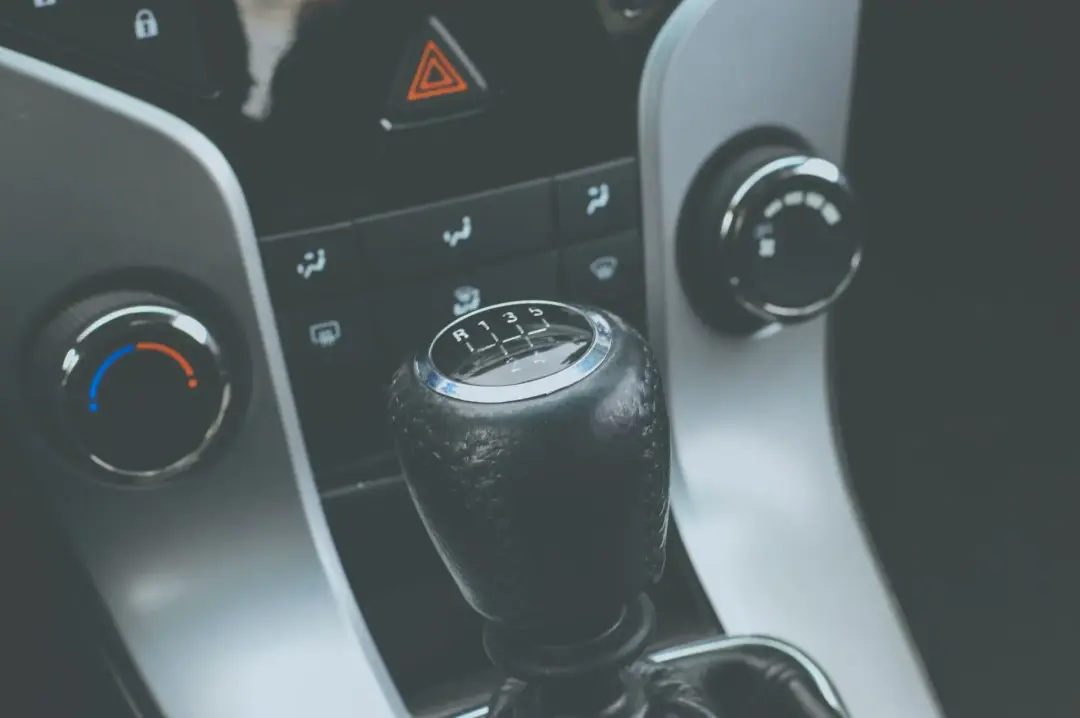
The symptoms may be mild at first and appear only when the vehicle is cold or hot. However, repeated harsh changes place extra strain on internal parts, mountings, and the transmission system. Delaying an inspection may increase repair costs.
A technician can check fluid condition, read stored fault codes, review live sensor information, and road test the vehicle. The repair may involve servicing the fluid, replacing an electrical part, repairing a valve body, or addressing internal wear.
Arrange a check when gear changes stop feeling smooth. Early attention can improve driving comfort, protect the gearbox, and restore predictable power delivery in traffic and on longer journeys.
Gearbox Slipping
Gearbox slipping happens when the selected gear does not transfer power correctly. The engine speed may rise while the vehicle accelerates slowly, or the gearbox may move between gears without warning. In a manual vehicle, a worn clutch can create a similar feeling, especially when climbing hills or accelerating.
Automatic gearbox slipping may result from low fluid, worn clutch packs, pressure loss, damaged valves, or electronic control faults. You may also notice delayed movement, reduced pulling power, unusual heat, or a warning message.
Slipping should be checked quickly because it creates heat and increases wear. Avoid hard acceleration, towing, or long journeys until the cause is known. If the vehicle struggles to move or loses drive, stop safely and arrange recovery. A technician can test fluid pressure, inspect fluid condition, read fault codes, and assess gearbox behaviour. Early repair may prevent wider damage and help restore steady, dependable acceleration.
Unusual Noises From the Gearbox
Gearbox noises can indicate low fluid, worn bearings, damaged gears, loose mountings, or problems with related transmission parts. Whining may change with engine speed or road speed, while grinding can suggest metal parts are not moving together correctly. Clunking during gear selection may point to wear, excess movement, or a damaged mounting.
Manual gearboxes may make noise when the clutch pedal is pressed or released. This can identify faults with the clutch release bearing or other clutch parts. Automatic gearboxes may hum, buzz, or whine when fluid pressure is low or the internal pump is struggling.
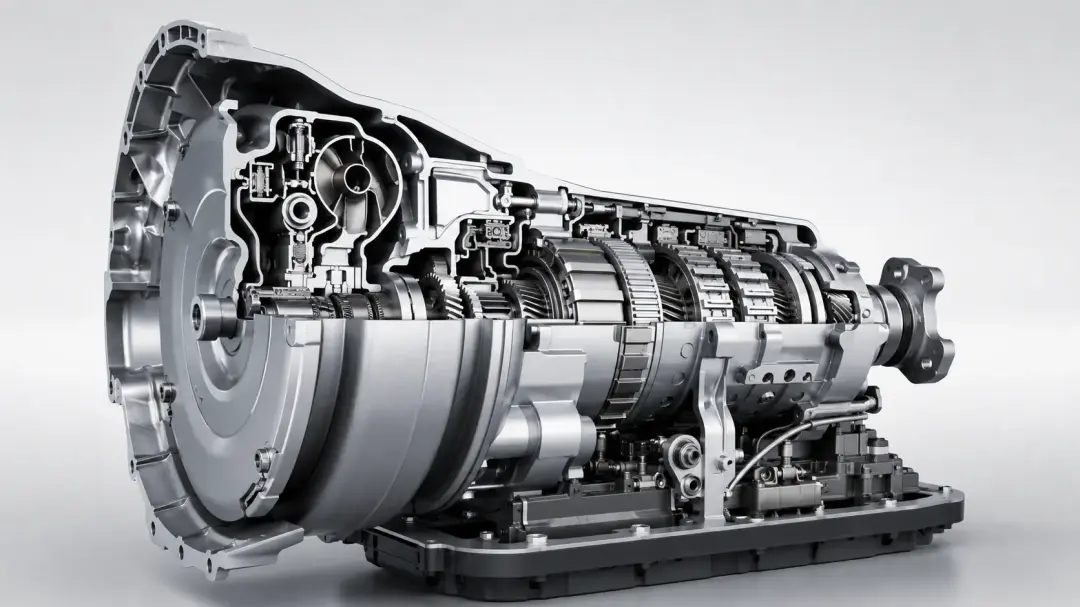
Notice when the sound occurs. It may appear in one gear, during acceleration, while slowing down, or when selecting drive or reverse. This helps narrow the cause. Do not ignore the sound, as a small sound may develop into serious damage.
A technician may road test the vehicle, inspect mountings and shafts, check the fluid, and listen to parts while the vehicle is raised. Diagnostic checks can also reveal faults that affect gearbox pressure or control.
Book an inspection if a new noise continues. Stop driving if you hear severe grinding, lose drive, or notice a burning smell. Checks can prevent wider damage.
Gearbox Fluid Leaks
Gearbox fluid lubricates internal parts, controls heat, and supports smooth gear changes. A leak can lead to serious damage if the fluid level becomes too low. Depending on the type and age of the fluid, it may appear red, amber, brown, or dark beneath the vehicle.
Leaks can come from damaged seals, worn gaskets, loose connections, cracked pipes, or the gearbox casing. You may also notice rough changes, slipping, delayed movement, or a burning smell.
Do not assume a small patch is harmless. Some leaks become worse under pressure or while the vehicle is moving. Avoid touching unknown fluid and note where it appears after parking.
A technician can clean the area, locate the source, repair the failed part, and refill the gearbox with the correct fluid. The system should then be checked for operation. Prompt repair helps protect internal parts and prevent a leak from causing complete gearbox failure.
Burning Smells
A burning smell can be linked to overheated gearbox fluid, a slipping clutch, leaking oil, or damaged electrical parts. Gearbox fluid loses its protection when it becomes too hot. This can increase friction, damage seals, and speed up wear inside the transmission.
In a manual vehicle, a clutch may smell hot after repeated slipping, heavy towing, hill starts, or holding the vehicle on the clutch. A burning smell that continues during driving can suggest the clutch is badly worn or not engaging correctly.
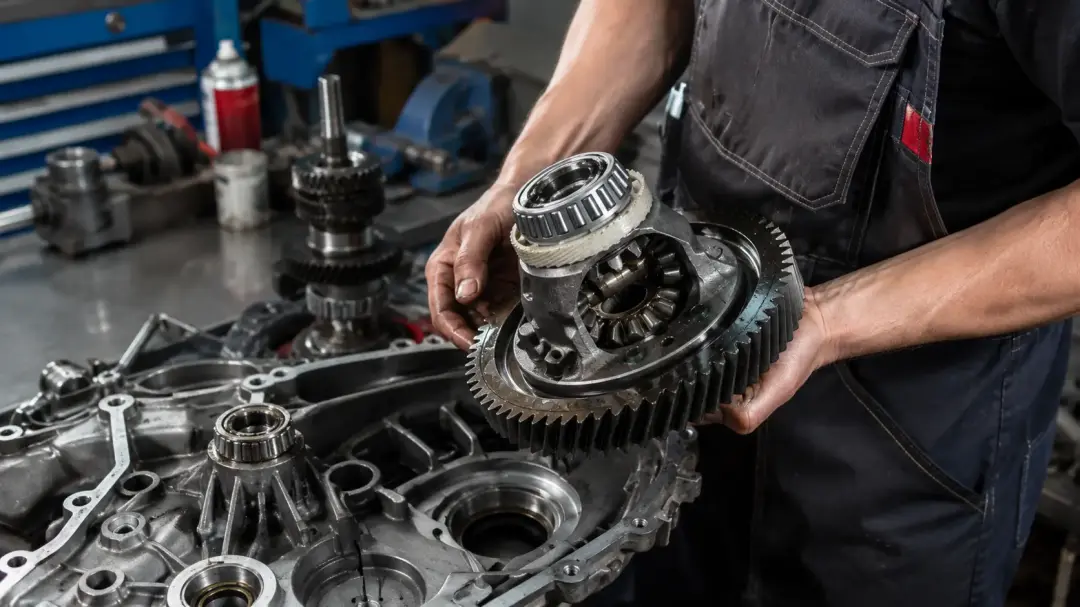
Automatic gearboxes may overheat from low fluid, blocked cooling lines, or internal slipping. You might also notice rough changes, reduced power, smoke, or a dashboard warning message.
Stop in a safe place if the smell is strong or joined by smoke. Switch off the engine and do not continue until it is checked. Driving an overheating gearbox can turn a manageable repair into major internal damage.
A technician can inspect for leaks, check fluid condition and temperature, test the clutch or gearbox, and identify damaged parts. Prompt attention reduces the risk of breakdown and helps protect the vehicle from further damage. Never ignore a burning smell, even if it disappears. Early checks may prevent costly repairs overall.
Dashboard Warning Lights
A gearbox warning light or message means the vehicle has detected a fault in the transmission. The message may mention restricted performance, reduced gears, a transmission fault, or a need to stop safely. The vehicle may also enter a protected mode that limits speed or holds a gear.
Possible causes include faulty sensors, low fluid pressure, overheating, electrical problems, worn internal parts, or a weak battery. An engine fault can sometimes trigger gearbox warnings. Restarting the vehicle may clear the message, but the stored fault is likely to remain. Do not assume the problem has corrected itself.
A technician can read fault codes, review live data, check fluid, and test electrical parts. Book an inspection promptly if changes feel rough or drive is limited. Stop driving if a red warning appears, the vehicle loses drive, or the gearbox overheats. Early diagnosis can prevent further damage and restore operation.
Problems With Automatic Gearboxes
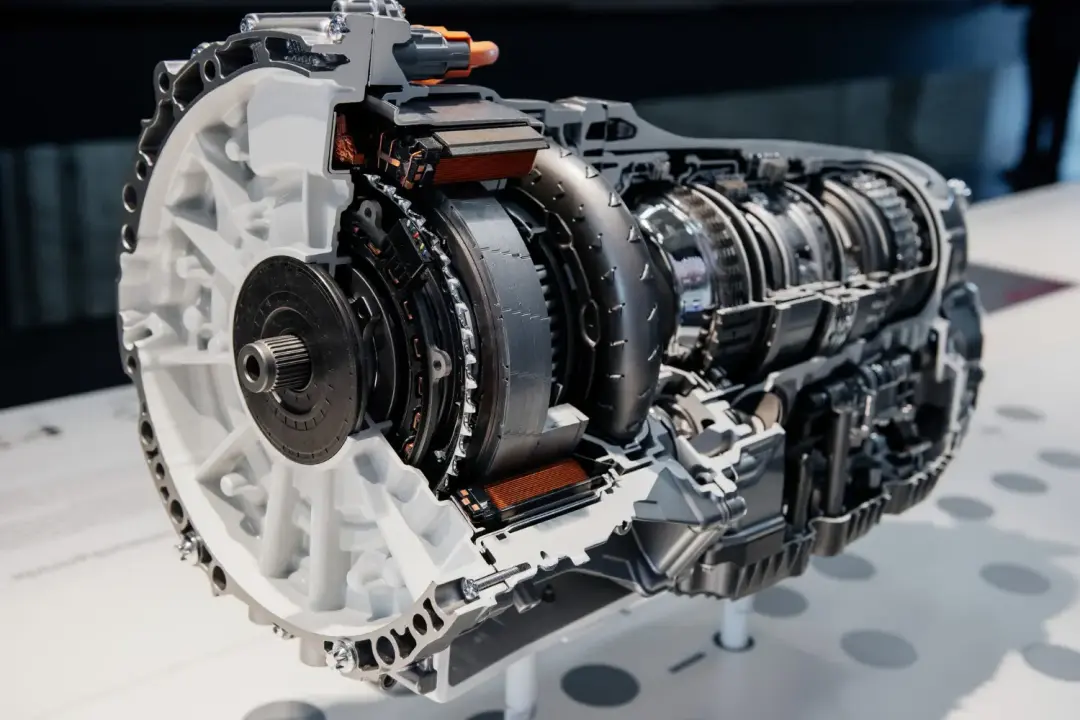
Automatic gearboxes use fluid pressure, sensors, valves, and clutch parts to select the correct gear. Common symptoms include delayed engagement, rough changes, slipping, shuddering, being stuck in one gear, or failing to select drive or reverse.
Low or contaminated fluid can reduce lubrication and pressure. Worn clutch packs may allow gears to slip, while valve body damage can cause harsh or poorly timed changes. Faulty speed sensors, wiring, or control units can send incorrect information and trigger warning messages.
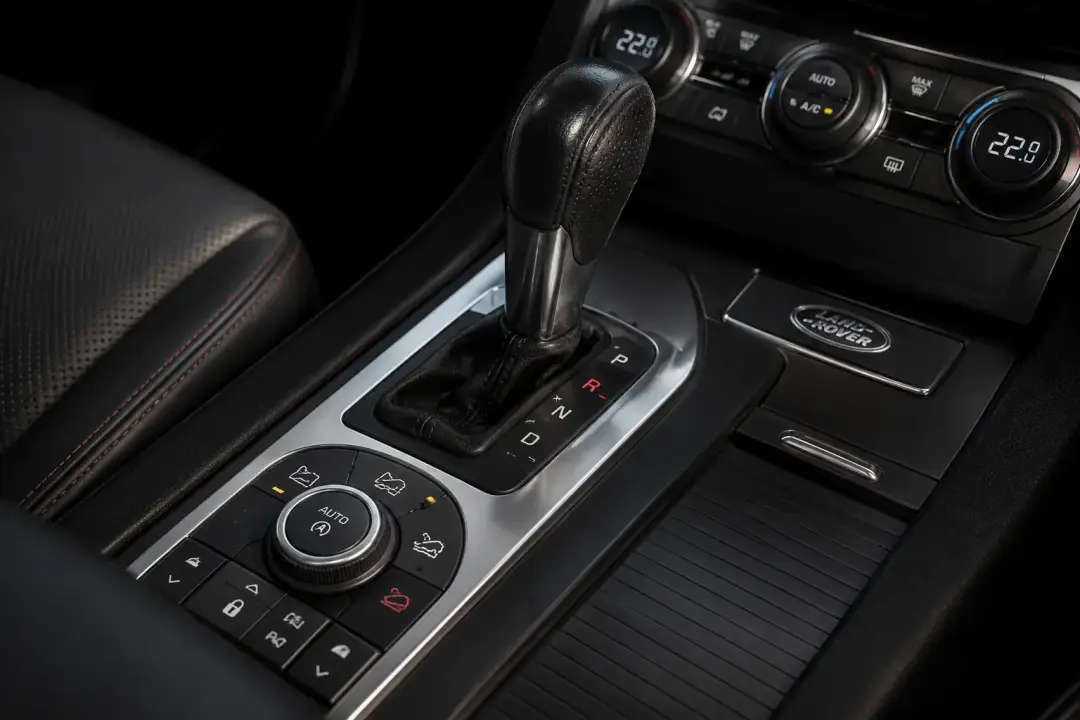
Some automatic gearboxes develop torque converter problems. This can create vibration, heat, noise, or poor power transfer. Software updates or control resets may help, but they will not repair worn mechanical parts.
A thorough diagnosis should include fault code checks, fluid inspection, pressure testing where required, and a road test. The technician must confirm whether the cause is electrical, hydraulic, or mechanical before recommending work.
Repairs may range from a fluid service or sensor replacement to valve body work or a gearbox rebuild. Addressing symptoms early can reduce internal damage. Regular servicing with the correct fluid can also support smoother operation and extend the working life of an automatic gearbox. Following the correct service schedule may also reduce future wear.
Problems With Manual Gearboxes
Manual gearbox faults may involve the gearbox itself, the clutch, the gear linkage, or the hydraulic system. Common signs include difficulty selecting gears, grinding during changes, a stiff gear lever, slipping out of gear, or unusual noise.
A worn clutch may cause poor acceleration, difficult changes, or a high biting point. Low hydraulic fluid, a failing clutch cylinder, or air in the system can prevent the clutch from releasing fully. Worn selector cables or linkages may also make certain gears hard to reach.
Internal faults can include worn bearings, damaged synchronisers, or broken gear teeth. These problems often become louder or more noticeable in specific gears. A technician can test the clutch, inspect the linkage, check fluid levels, and road test the vehicle. Book a repair before the problem worsens. Early action may limit damage and help restore smooth, controlled gear selection without placing strain on other transmission parts.
Common Causes of Land Rover Gearbox Faults
Gearbox faults can result from wear, poor maintenance, leaks, overheating, electrical problems, or demanding driving conditions. Gearbox fluid is important because it lubricates parts, controls heat, and supports hydraulic pressure. Low, old, or incorrect fluid can cause rough changes, slipping, and internal damage.
Seals and gaskets may fail with age, allowing fluid to escape. Internal clutch packs, bearings, gears, and valves wear after high mileage. In manual vehicles, clutch wear or hydraulic faults can make gear changes difficult and strain the gearbox.
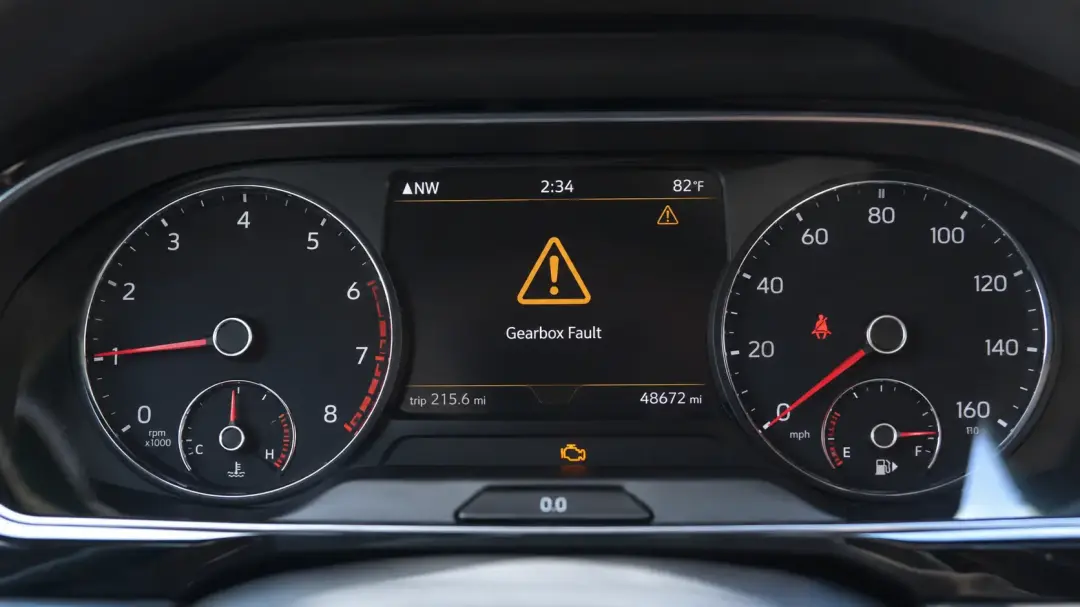
Electrical faults are another cause. Damaged wiring, weak batteries, faulty sensors, and control unit problems can affect when or how gears are selected. Software issues may change gearbox behaviour, although mechanical checks are still important.
Towing heavy loads, driving through deep water, repeated off road use, and frequent stop start journeys can increase heat and wear. Ignoring early warning signs may allow a fault to damage several parts.
Servicing, correct fluids, and prompt leak repairs can reduce the risk. However, even well maintained vehicles can develop faults. A complete diagnosis is needed to identify the cause and avoid replacing parts that are still working correctly or carrying out repairs that do not solve the problem.
How Gearbox Problems Are Diagnosed
Diagnosis starts with the symptoms, including when they happen and whether any warning messages appear. A technician may road test the Land Rover to assess gear selection, changes, slipping, noise, vibration, and power delivery.
Diagnostic equipment can read stored fault codes and monitor sensor information. Fluid levels, condition, colour, and smell may be checked for signs of leakage, overheating, or internal wear. Electrical connections, wiring, batteries, and charging systems need testing.
For manual vehicles, the clutch, hydraulic system, linkage, and gearbox are inspected. Automatic systems may require pressure tests or checks of the valve body and torque converter.
One fault code does not always identify the failed part, so physical checks remain important. A careful diagnosis separates electrical, hydraulic, clutch, and internal gearbox problems. Once the cause is confirmed, the technician can explain the repair options, likely costs, and any related parts that need attention before work begins accurately.
What Happens During a Gearbox Repair
A gearbox repair begins after the fault is confirmed. The work depends on whether the problem involves fluid, electronics, the clutch, external parts, or internal gearbox components.
Simple repairs may include replacing a sensor, seal, pipe, mounting, cable, or electrical connector. A fluid service may be carried out when the gearbox needs fresh fluid and a new filter, provided internal damage has not already occurred. Manual vehicles may need clutch or hydraulic parts replaced.
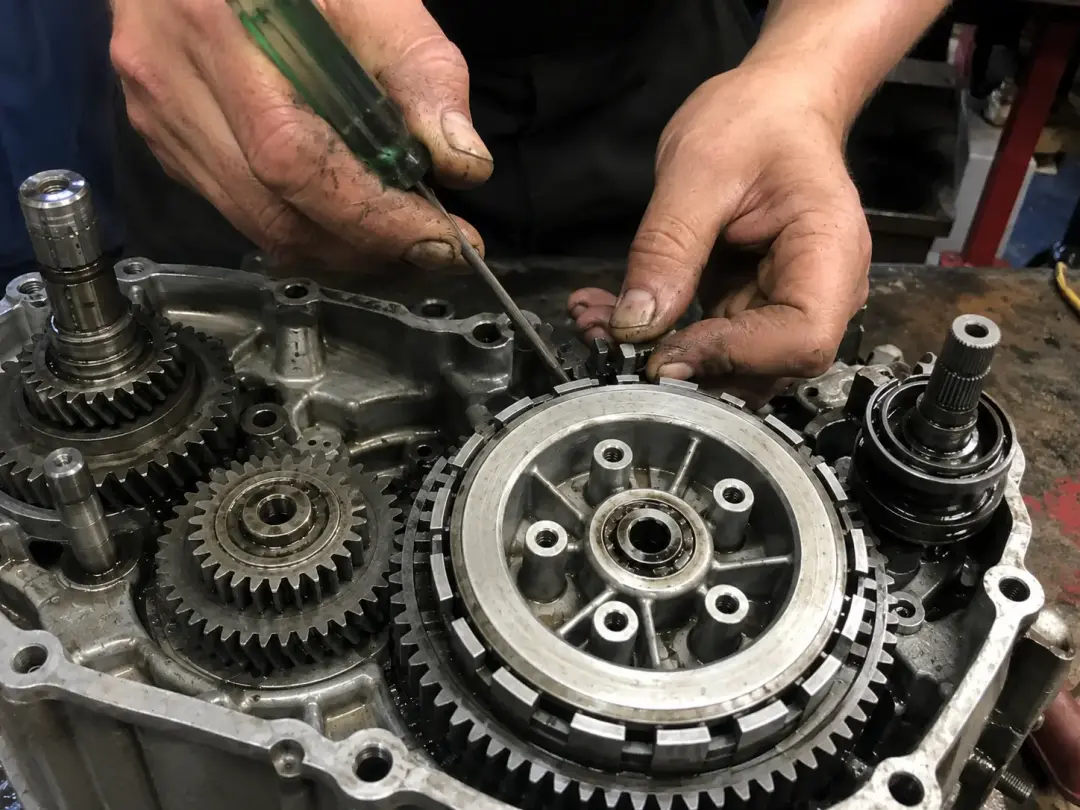
More serious faults can require the gearbox to be removed from the vehicle. It may then be opened, cleaned, and inspected for worn bearings, gears, valves, clutch packs, or other damaged parts. A rebuild involves replacing failed and worn components before the unit is reassembled.
In some cases, a replacement gearbox may be more practical than rebuilding the original. The technician should explain the available choices and what warranty applies.
After fitting, the gearbox is filled with the correct fluid, fault codes are cleared, and any required settings or adaptations are completed. A road test confirms that gears select correctly and smoothly. Final checks should also confirm there are no leaks, unusual noises, or warning messages before the vehicle is returned. This process supports lasting performance.
Can You Drive With a Gearbox Problem?
Driving with a gearbox problem can be unsafe and may cause damage. A minor symptom, such as a small delay or occasional rough change, can worsen without warning. Slipping, overheating, or low fluid can quickly damage expensive internal parts.
Stop driving if the vehicle loses drive, cannot select a gear, makes loud grinding noises, leaks heavily, smells strongly of burning, or shows a red warning message. Arrange recovery rather than trying to reach a repair centre.
For milder symptoms, avoid towing, hard acceleration, long journeys, and difficult routes until the vehicle is inspected. Even when the Land Rover seems usable, gear changes may become unpredictable and affect your ability to pull away or join traffic safely. Booking an early diagnosis is the safest and most economical choice. It can identify a repair before parts fail, reduce the chance of a breakdown, and help return the gearbox to smooth, reliable operation.
Contact Independent 4x4 Limited for Land Rover repairs, Land Rover servicing and diagnostics in Rossendale, Lancashire, Yorkshire and Greater Manchester. Our independent 4x4 business is based in the local area and is ready to assist with your vehicle.